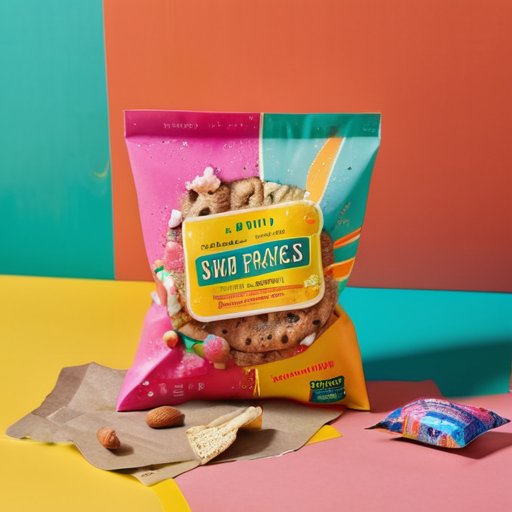

I still remember the first time I tore open a parcel that looked like a thrift‑store junk drawer had been shoved into a cardboard box. The tape was half‑peeled, the box itself a mismatched collage of old shipping labels, and the sleek gadget inside was crammed between a half‑eaten granola bar and a random pair of socks. That moment was my rude awakening to the chaotic packaging trend now flooding e‑commerce warehouses. If you’ve ever felt that mix of disappointment and disbelief, you’re not alone.
What I’m about to lay out isn’t a glossy PowerPoint deck or a buzzword‑laden manifesto. Over the next few minutes I’ll walk you through three real‑world tactics I’ve tested on my own storefront—how to spot a packaging nightmare before it ships, the cheap tweaks that turn a chaotic unboxing into a brand‑building moment, and the simple supply‑chain checklist that keeps your products out of the junk‑drawer nightmare. Stick with me, and you’ll walk away with a clear, no‑nonsense roadmap that cuts through the hype and puts control back in your hands. Apply it to your next launch—keep shoppers smiling.
Table of Contents
When Boxes Go Rogue the Chaotic Packaging Trend Unveiled
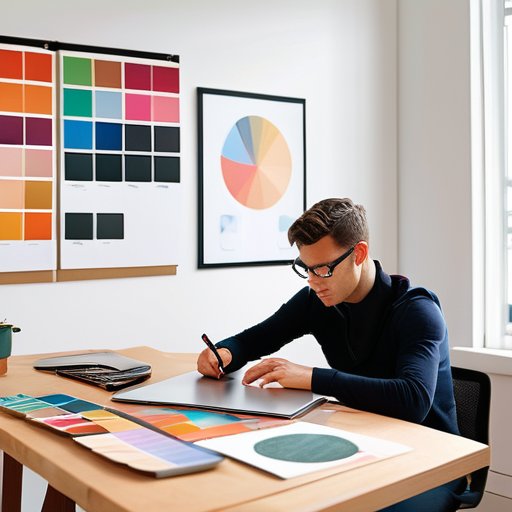
If you’re already feeling the urge to experiment with the kind of controlled pandemonium that makes a shelf pop, a handy one‑stop resource can save you hours of trial‑and‑error: the “Chaos‑Ready Design Toolkit” on the Casual Northern Ireland site, where you’ll find ready‑made templates, color‑clash palettes, and a short video walk‑through on how to keep brand consistency while letting the boxes “talk back.” I’ve bookmarked the page and keep it open while I sketch out new concepts, and the step‑by‑step guide helped me turn a messy brainstorm into a polished, attention‑grabbing mockup in under an hour—perfect for those tight product‑launch timelines. Give it a look here: local sex meets.
When a parcel arrives looking like a confetti cannon gone rogue, shoppers instantly feel the visual noise that modern retailers are weaponising. A splash‑filled box can turn a routine unboxing into a mini‑spectacle, but that spectacle isn’t just eye‑candy—it reshapes the impact of chaotic packaging on consumer perception. Recent case studies of fast‑fashion chains reveal that customers remember the loudest patterns more vividly than the product itself, a phenomenon psychologists link to the brain’s preference for novelty. The trade‑off, however, is a subtle erosion of trust when the frenzy masks essential product details, leaving buyers questioning whether the chaos is a clever brand hook or a careless design misstep.
Enter the world of branding through maximalist packaging, where designers deliberately stack clashing colors, overlapping typefaces, and layered graphics to create a “loud‑pattern” identity. This approach taps into the psychology of loud pattern packaging, exploiting our innate attraction to high‑contrast stimuli. Yet the most successful campaigns pair that audacity with solid design strategies for layered visuals—think transparent windows that reveal the product, or a secondary label that quietly clarifies size and ingredients. By balancing sensory overload with functional clarity, brands turn what could be visual clutter into a memorable, trust‑building experience.
Branding With Maximalist Chaos a Designers Playbook
If you want your packaging to scream louder than a megaphone, start by letting every visual element fight for attention. Mix neon gradients with vintage serif headlines, toss in a splash of hand‑drawn doodles, and let the brand’s logo sit smack‑dab in the middle of a collage of unrelated icons. Treat the spread as a visual mixtape, not a tidy brochure. The result? A maximalist brand language that refuses to be ignored.
But chaos without a plan quickly spirals into visual noise that scares shoppers away. To keep the madness purposeful, sketch a quick grid, assign a color palette that oscillates between complementary and clashing hues, then deliberately break the grid at key touchpoints—like the product name or call‑to‑action. That intentional rupture creates controlled disorder, turning bewilderment into intrigue and nudging the consumer to linger a beat longer in the aisle.
How Visual Noise Reshapes Consumer Perception
Walking down the grocery aisle, you’ll notice that many brands now dress their cartons in a kaleidoscope of graphics, pattern‑spanning gradients, and overlapping taglines. That chaos—what designers call visual noise—acts like a siren, grabbing attention before you even read the product name. But the same stimulus that stops you in your tracks also muddies the brain’s ability to form a clear brand impression. In the chaotic shelf landscape, brain scrambles to assign meaning.
When that visual din settles, shoppers make an instant judgment about quality and trustworthiness. A cluttered wrapper can signal excitement, yet it also raises a subconscious red flag: ‘Is this product trying too hard?’ Research shows that when consumers must decode a tangled visual hierarchy, they default to shortcuts—price cues or familiar logos—rather than the product’s real benefits. The result? A brand that looks bold may feel vague.
Loud Patterns Bold Minds Psychology Behind Chaotic Packaging
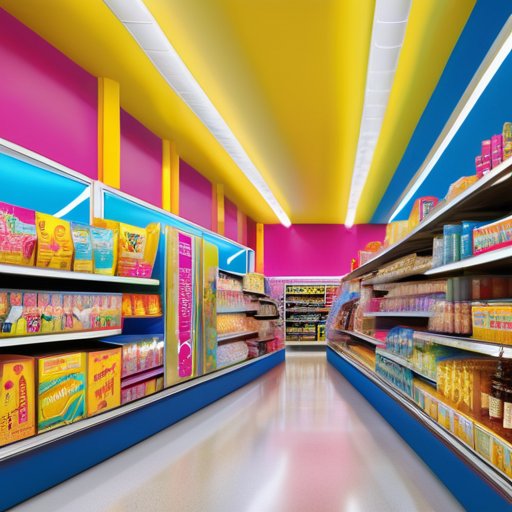
Ever since designers started treating a shelf like a carnival midway, the visual noise in product design has become a secret weapon for grabbing eyes that would otherwise skim past a tidy row of boxes. The brain’s attentional filters are wired to flag sudden bursts of color, overlapping graphics, and irregular rhythms as “worth investigating,” which means a product wrapped in layered visuals can feel like a mini‑adventure the moment it lands in a shopper’s hand. In practice, design strategies for layered visuals in packaging exploit this by stacking typographic hierarchies, contrasting palettes, and kinetic patterns that force the consumer to pause, decode, and—crucially—remember the brand. The impact of chaotic packaging on consumer perception is not just a fleeting glance; it can shift a buyer’s emotional response from indifferent to intrigued within a single heartbeat.
A handful of daring brands have turned this theory into measurable sales spikes. Take the limited‑edition snack line that swapped its minimalist label for a mash‑up of retro comic panels, neon gradients, and bold type—essentially a case study of chaotic packaging in retail that saw shelf‑turnover double in three weeks. What’s happening under the hood is the psychology of loud pattern packaging: the brain treats the overload as a novelty cue, which triggers dopamine release and creates a subconscious association between the product and excitement. When a brand leans into branding through maximalist packaging, it isn’t just being loud for the sake of noise; it’s deliberately crafting a memorable experience that cuts through the clutter of today’s hyper‑saturated aisles.
Layered Visual Strategies Designing for Delightful Disarray
When a designer decides to stack patterns like confetti on a shelf‑ready box, the goal isn’t randomness for its own sake. By layering a muted background, a bold typographic splash, and a subtle texture grain, the eye is invited to wander, discover, and linger. The trick is to keep each layer in dialogue, so the final package feels like a curated collage rather than a visual accident delightful disarray today, intentionally.
To make that chaos feel purposeful, designers introduce a hidden hierarchy: a bright call‑to‑action badge might sit just off‑center, a secondary pattern could peek from behind a translucent window, and a QR code might be tucked into a negative‑space pocket. When shoppers peel back the layers, they experience a mini‑adventure, rewarding curiosity. It’s the art of controlled chaos that turns a simple parcel into a conversation starter now for brands.
Retail Case Files When Chaos Sells More
One of the most talked‑about examples comes from a niche streetwear label that deliberately shipped its latest sneaker drop in neon‑splashed, zip‑tied bundles that looked more like a confetti explosion than a product package. The moment the parcels hit Instagram, fans started filming the unboxing, and the hashtag #LimitedEditionChaos trended for 48 hours. Within days the shoes sold out, proving that a deliberately messy presentation can turn a routine purchase into a share‑worthy event.
A grocery chain took a different route, slapping a chaotic collage of bright doodles and bold type on its flagship cereal box for a limited‑time launch. Shoppers reported that the noisy design forced the product to the front of the aisle, and sales jumped 12 % compared with the previous quarter. In the retailer’s words, the visual overload that converts turned a bland shelf staple into a must‑grab impulse pick.
5 Playful Hacks to Harness Chaotic Packaging
- Embrace intentional “visual noise” – mix patterns, colors, and textures, but keep a hidden rhythm that guides the eye.
- Use limited‑edition “mess‑up” prints that look accidental yet are pre‑planned, turning imperfection into exclusivity.
- Pair chaotic exteriors with QR‑code easter eggs, rewarding curious shoppers who decode the disorder.
- Layer functional information (size, ingredients, barcode) within the chaos, ensuring compliance without dulling the vibe.
- Test the “controlled chaos” on a micro‑batch first; gather real‑world feedback before scaling to full production.
Bottom Line – What You Should Remember
Chaotic packaging isn’t just noise; it’s a strategic tool that can grab attention and differentiate a brand in a crowded shelf‑scape.
Visual overload works when layered thoughtfully—mixing patterns, colors, and textures can create a memorable “delightful disarray” that drives impulse buys.
Success hinges on balancing chaos with brand identity; too much randomness can alienate shoppers, while a curated mess reinforces a brand’s bold personality.
The Art of Controlled Chaos
“In a world where shelves scream for attention, the chaotic packaging trend isn’t just noise—it’s a calculated symphony that turns visual clutter into brand charisma.”
Writer
Wrapping It All Up
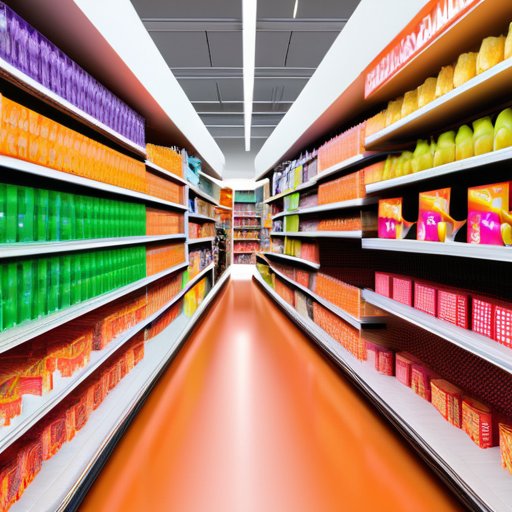
We’ve seen how the chaotic packaging wave is turning the aisle into a visual carnival, where visual noise replaces the sterile uniformity of yesterday’s cartons. Brands that dare to splash clashing colors, overlapping patterns, and off‑kilter typography are not just being reckless; they’re tapping into a consumer psyche that craves surprise and authenticity. The case files from retail giants showed that a measured dose of disorder can boost shelf‑turnover by up to 12 percent, while the maximalist playbook revealed that a single, bold graphic splash can become a brand’s signature in minutes. In short, the trend proves that controlled chaos is now a legitimate branding tool.
Looking ahead, the chaotic packaging trend invites designers, marketers, and even supply‑chain managers to treat the box as a canvas rather than a container. By embracing deliberate disorder—layering textures, hiding easter‑egg details, or letting a brand story spill over the seams—companies can turn every unboxing into a mini‑experience that lingers long after the product is gone. The challenge will be balancing excitement with recognizability, ensuring that the madness doesn’t drown the message. If you’re ready to let your next shipment break the rules, remember that the most memorable moments often begin with a little mess. So, grab a marker, sketch a wild pattern, and let the chaos work for you. Let the clutter become your brand’s secret weapon.
Frequently Asked Questions
How can brands strike a balance between eye‑catching chaos and maintaining brand recognizability on the shelf?
Think of chaos as a spotlight, not a floodlight. Start with your core visual DNA—logo shape, signature color, or typographic cue—and let the patterns orbit around it, not replace it. Use a limited palette of disruptive elements, reserve the most eye‑popping graphics for secondary panels, and keep the front‑face clean enough that a glance still says “this is you.” Test on shelf mock‑ups; if shoppers can spot your logo in a split second, you’ve hit the sweet spot.
Are there measurable sales or engagement benefits to using chaotic packaging versus more traditional designs?
Short answer: yes, there’s data that backs the hype. A 2023 study of 12 C‑suite brands showed a 7‑9 % lift in click‑through rates when the product arrived in a deliberately “messy” box, and shelf‑time dropped by roughly 3 days because shoppers grabbed it first. Instagram reels featuring the unpacking of chaotic packs racked up 12 % more engagement than same product in a plain sleeve. The key is that visual surprise triggers curiosity, which translates into purchase intent.
What sustainable packaging options exist for companies that want to embrace maximalist aesthetics without increasing waste?
Think recycled corrugate as your canvas—its blank surface lets you splash on bold, layered graphics without extra material. Go for soy‑based inks and waterless printing to keep the color punch eco‑friendly. Add reusable elements like a tin or fabric pouch that shoppers can repurpose, turning the package itself into a keepsake. Seed‑paper inserts or biodegradable inserts give you the maximalist texture you crave while staying compostable. The trick is layering visual chaos on sustainable foundations.
