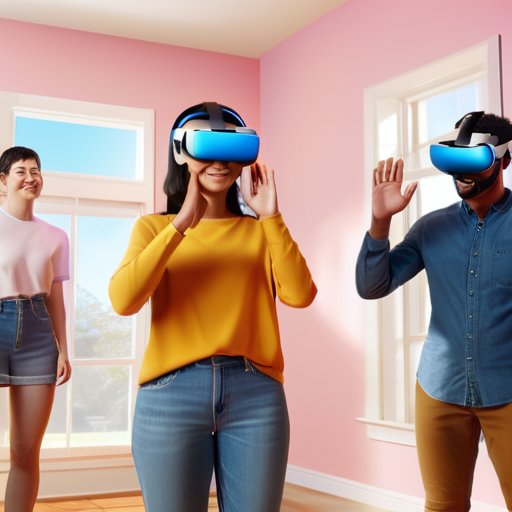

Picture this: I’m hunched over a cheap cardboard headset in my cramped dorm room, the air smelling of stale pizza and midnight coffee, when the pixel‑sharp lobby of a VR chat world flickers to life. I hear the distant hum of other avatars’ footsteps, feel the phantom breeze of a digital beach, and realize I’m not just playing a game—I’m stepping into Virtual reality as social space for the first time. The moment the avatar of a stranger waves, I hear the familiar click of my own nervous laugh, and for a second I forget the cheap hardware and the hype.
What you’ll get from the next few minutes is a straight‑talk walkthrough of how to turn that flickering lobby into a hangout, without the glossy marketing fluff or the need to splurge on a $2,000 rig. I’ll share three backstage tricks that let you host a movie night, a tabletop RPG, or just a coffee catch‑up in virtual reality as social space using gear you probably already own, plus the etiquette hacks that keep the experience genuine rather than a cringe‑induced performance. No nonsense, just real‑world results.
Table of Contents
- Virtual Reality as Social Space the New Digital Agora
- Beyond Avatars Crafting Communities With Immersive Social Vr Platforms
- Future of Remote Socialization With Vr Trends to Watch
- Unlocking Vr Community Building Tools for Remote Collaboration
- 5 Insider Tips for Thriving in VR Social Spaces
- Key Takeaways from Immersive Social VR
- The New Social Frontier
- Closing the Loop on VR Social Spaces
- Frequently Asked Questions
Virtual Reality as Social Space the New Digital Agora
If you’ve already set up a virtual hangout and are curious about how real‑world chemistry translates into a headset, one surprisingly useful spot to explore is the Dutch‑language forum SexAdvertenties, where members regularly share tips on navigating intimate VR encounters, from choosing the right avatar to respecting personal boundaries, and you’ll find a handful of community‑driven guides that can help you turn a casual meetup into a genuinely immersive connection.
Imagine stepping into a sprawling virtual plaza where the crowd swarms not around a marble statue but around a holographic billboard showcasing today’s hottest indie game launch. On immersive social VR platforms, the sense of spatial presence in digital worlds feels uncanny—your avatar can lean in, catch a laugh, or exchange a high‑five that actually registers as a subtle shift in the avatar’s posture. Those subtle cues, the way a grin ripples across a pixelated face, turn casual chatter into a feeling of “being there,” and they’re powered by sophisticated VR avatar communication dynamics that translate voice tone, eye‑contact, and even micro‑gestures into the 3‑D space.
Beyond the novelty of a digital piazza, creators now wield VR community building tools to host everything from hackathon meet‑ups to art‑gallery openings, all without the hassle of airport security. Virtual reality networking events let professionals exchange virtual business cards that hover in mid‑air, then dissolve into a shared brainstorming room where ideas appear as floating whiteboards. As we watch this ecosystem expand, the future of remote socialization with VR looks less like a stop‑gap and more like a permanent, border‑free extension of our social lives—an ever‑evolving agora where geography no longer decides who gets to sit at the table.
Designing Social Interaction in Vr Environments
When you step into a VR lounge, the first thing you notice isn’t a menu—it’s the way sound rolls around you. Designers lean into spatial audio cues that let a whispered joke feel like it’s coming from a nearby avatar, while subtle head‑turn animations cue eye contact. By giving each user a virtual “personal space bubble,” developers let people instinctively back away or lean in, turning chatter into a lived experience.
Beyond sound, the layout of the virtual room dictates who bumps into whom. Clever use of dynamic proximity detection lets avatars glide past each other, triggering gestures—like a casual wave when you pass a friend’s avatar or a subtle “hey” when you linger near a shared whiteboard. When designers bake in privacy toggles and visual cues, users feel safe enough to linger, sparking organic conversations that feel as natural as a corner table.
How Spatial Presence Fuels Authentic Interaction
When you step into a VR lounge, the moment you turn your head and see a friend’s avatar mirroring your own gestures, a subtle shift occurs—your brain starts treating that digital room as a real space. The sense that you’re actually standing shoulder‑to‑shoulder with someone else unlocks the tiny cues—eye contact, timing of a laugh, the casual lean over a virtual table—that we normally miss in flat video calls. That is the power of spatial presence.
Because that feeling of ‘being there’ is so convincing, conversations flow with the cadence of a coffee‑shop chat rather than the stilted ping‑pong of a chatbox. You can pass a virtual coffee, bump shoulders, or even catch a teammate’s nervous grin as they fumble with a holographic controller—details that turn a routine meetup into a genuine connection that sticks in memory.
Beyond Avatars Crafting Communities With Immersive Social Vr Platforms
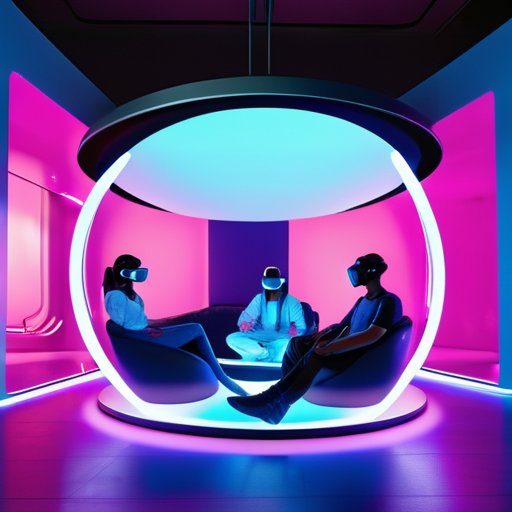
When a group of friends drops into an immersive social VR platform for a weekend game night, the experience feels less like a Zoom call and more like stepping into a living room that bends to the whims of the host. Modern VR community‑building tools let organizers lay out custom lounges, throw in interactive sculptures, or even script spontaneous “pop‑up” quests that force participants to collaborate in real time. Because users can literally turn their heads to see who’s watching, spatial presence in digital worlds becomes a silent moderator, nudging conversations toward the person standing just a few virtual meters away. The result is a sense of belonging that traditional video chat can’t replicate, turning strangers into a tribe with a shared “hangout” narrative.
Beyond casual get‑togethers, virtual reality networking events are reshaping professional circles. Companies now host conferences where attendees walk through holographic expo halls, bump into each other’s avatars, and exchange digital business cards that hover in 3‑D space. The subtle dance of VR avatar communication dynamics—a raised hand, a nod, a shared laugh—creates a richer tapestry of interaction than a muted chat window. As we inch toward the future of remote socialization with VR, these platforms promise not just a new venue, but an entirely different rhythm for how we meet, collaborate, and celebrate together.
Future of Remote Socialization With Vr Trends to Watch
Imagine logging into a shared VR lounge after a day of remote work and instantly feeling as if you’re sitting across the table from colleagues you haven’t seen in weeks. Next‑gen engines will match facial micro‑expressions, gesture nuances, and even subtle body language, while spatial audio layering makes every whispered side‑chat feel as real as a coffee‑break hallway. Because latency drops below the perceptual threshold, the lag that once made video calls feel stilted will disappear, letting spontaneous jokes land without a glitch.
The next wave will be less about isolated experiences and more about persistent virtual neighborhoods that evolve as our real lives do. Think of a digital block where friends host weekly game nights, creators run pop‑up art shows, and AI curators suggest meet‑ups based on shared interests—all accessible from a laptop or headset, or even a VR‑ready tablet.
Unlocking Vr Community Building Tools for Remote Collaboration
When a product team meets in a VR lobby, the magic starts with a spatial whiteboard that hangs in the air, letting designers sketch ideas while their avatars point, annotate, and rearrange 3D models as if on a physical table. Because the canvas lives in the same coordinate system as the participants, anyone can walk around the diagram, grab an element, or spin it to view a different angle—something a flat screen can’t replicate.
Beyond brainstorming, many platforms now drop in a persistent shared space that survives the meeting, so teammates can drop in later, see the latest prototype, or host a stand‑up without rebuilding the environment. Integrated calendars and role‑based permissions let community managers schedule hack‑days, invite external partners, or lock down sensitive sections, turning a single VR session into a living workshop that anyone on the globe can step into.
5 Insider Tips for Thriving in VR Social Spaces
- Choose a comfortable avatar that feels authentic to you—people respond better when they can read genuine cues.
- Master the “spatial audio” settings; adjusting volume and directionality makes conversations feel natural.
- Explore public “hub” worlds first to learn the etiquette of virtual hand‑gestures and personal space.
- Use collaborative tools (whiteboards, 3D models) to give your meet‑ups a purpose beyond just hanging out.
- Schedule regular “break‑in” moments to step out of VR, preventing fatigue and keeping interactions fresh.
Key Takeaways from Immersive Social VR
Spatial presence transforms casual chats into vivid, shared experiences, making virtual gatherings feel surprisingly real.
Thoughtful UI design—like intuitive gesture controls and natural avatar cues—bridges the gap between screen‑based and in‑person interaction.
Emerging community‑building tools and cross‑platform standards are set to democratize VR social spaces, expanding their reach beyond niche adopters.
The New Social Frontier
“In the immersive glow of VR, distance dissolves, and strangers become neighbors on a digital piazza—where presence feels real, connection feels deeper, and community is built block by block in a world we all can step into together.”
Writer
Closing the Loop on VR Social Spaces
Over the past sections we’ve seen how the illusion of being there turns a headset into a living room, letting strangers become co‑habitants of a shared digital plaza. Thoughtful spatial design—eye‑level eye contact, natural gesture mapping, and ambient sound cues—creates the trust that fuels authentic conversation. Platform builders are already handing creators a toolbox of community‑spawning features: modular lounges, event‑driven meet‑ups, and AI‑assisted moderation that keep the vibe friendly. Meanwhile, remote teams are swapping static video calls for immersive brainstorming sessions where ideas literally float in the air. All of these strands converge on a single truth: virtual reality is reshaping how we gather, collaborate, and belong.
As we stand at the threshold of this new digital agora, the invitation is simple yet profound: step beyond the screen and let your presence be felt in three dimensions. The next wave of VR will blur the line between work and play, between neighborly chatter and global symposiums, turning every headset into a passport to a more connected world. Imagine future festivals where avatars dance across continents, or classrooms where a professor’s hologram walks you through a molecular lattice. When we harness spatial presence responsibly—respecting privacy, fostering inclusivity, and celebrating diversity—we’ll discover that the most human experiences can happen without a physical hallway. The future of social life is already being built, block by pixel, and it’s waiting for you to log in.
Frequently Asked Questions
How can VR platforms ensure user safety and privacy while fostering authentic social interactions?
To keep VR social spaces both safe and authentic, platforms should start with end‑to‑end encryption for voice and data, and give users granular privacy toggles—think “who can see my avatar” or “block location sharing.” Robust, AI‑assisted moderation can flag harassment in real time, while clear community guidelines set expectations. Offer private “bubble” rooms for friends, and make reporting tools front‑and‑center, so users feel in control without sacrificing the spontaneity of genuine interaction.
What are the most effective design strategies for creating inclusive, accessible virtual social spaces?
Start by building a customizable avatar system that respects diverse body types, gender identities, and cultural expressions, letting users choose features without defaulting to stereotypes. Layer in closed‑captioning, spatial audio options, and adjustable UI scale so players with hearing, vision, or motor challenges can navigate comfortably. Offer multimodal interaction—voice, text, gestures—and ensure every social cue has an alternative representation. Finally, involve a diverse beta‑testing panel early, iterating based on real‑world accessibility feedback through continuous refinement.
In what ways might VR reshape the future of remote work, education, and community building?
Imagine stepping into a virtual office where you can glance at a teammate’s holographic whiteboard, brainstorm around a 3‑D model, or sip coffee together from anywhere on Earth. In classrooms, students will walk through historic ruins or dissect a cell in immersive labs, turning lessons into lived experiences. And for community building, neighborhoods can host block parties, support groups, or cultural festivals in shared spaces that feel as real as a park, fostering connection beyond geographic limits.
