

I still remember the first time I stepped into a virtual reality as a social space – it was like entering a whole new dimension. The sounds, the sights, and the feeling of being completely immersed in a virtual world were overwhelming, yet exhilarating. But what really struck me was how naturally people interacted with each other, as if they were in a real-life cafe or park. It was then that I realized the true potential of virtual reality as a social space, where people could connect and interact in totally new ways.
As someone who’s spent countless hours exploring these virtual worlds, I’m excited to share my honest, no-nonsense take on what works and what doesn’t. In this article, I promise to cut through the hype and provide practical advice on how to navigate and make the most of virtual reality as a social space. I’ll draw from my own experiences, highlighting the key benefits and challenges of using virtual reality to connect with others. My goal is to give you a clear understanding of what to expect and how to make virtual reality a meaningful part of your social life, without the jargon or overly complicated explanations.
Table of Contents
Virtual Reality Social
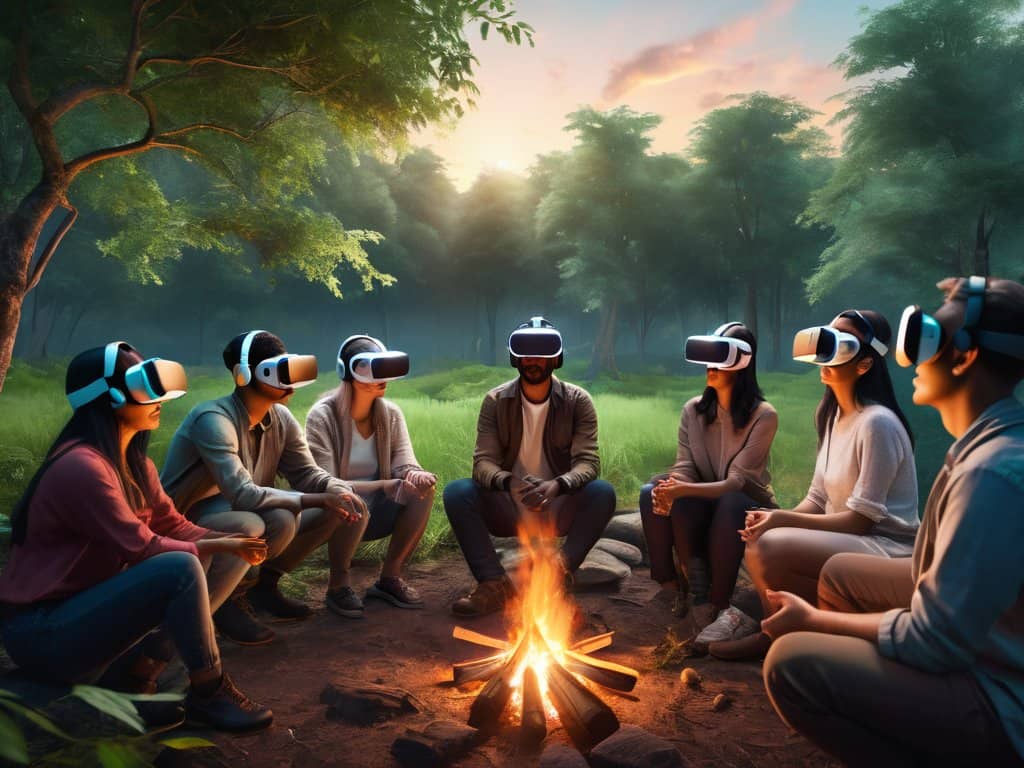
As we delve into the world of immersive social experiences, it’s clear that virtual reality is redefining the way we connect with others. The rise of vr community building has led to the creation of vibrant online communities, where people can share ideas, collaborate, and socialize in entirely new ways. These communities are not just limited to casual interactions, but also facilitate meaningful discussions, workshops, and events that foster deeper connections among members.
The social impact of virtual reality is also being felt in the realm of virtual events and conferences. Attendees can now participate in virtual events from anywhere in the world, eliminating geographical barriers and increasing accessibility. This shift is not only convenient but also helps reduce the carbon footprint associated with physical events. As virtual reality technology continues to evolve, it’s likely that we’ll see even more innovative applications of virtual reality etiquette in these online spaces.
The future of remote communication is closely tied to the development of virtual reality as a social platform. As technology improves, we can expect to see more sophisticated and engaging ways to interact with others remotely. This could include virtual reality-based training programs, educational courses, and even therapy sessions. The potential for virtual reality to revolutionize the way we communicate and connect with each other is vast, and it’s exciting to think about the possibilities that lie ahead.
Immersive Community Building
As we delve into the world of virtual reality social spaces, it’s clear that immersive community building is at the forefront. This concept allows individuals to connect with others who share similar interests, creating a sense of belonging and camaraderie.
In these virtual environments, users can participate in shared experiences, such as attending virtual concerts or playing interactive games, which fosters a deeper connection among community members.
Vr Etiquette Matters
As we dive deeper into virtual reality social spaces, it’s essential to consider virtual manners. Just like in the real world, our behavior in these online environments can greatly impact the experience of those around us. Simple actions, such as not interrupting others or respecting personal space, can go a long way in creating a positive and inclusive atmosphere.
In these immersive environments, social norms are still being established, and it’s up to us to shape them. By being mindful of our actions and their consequences, we can help create a culture of respect and empathy, making virtual reality a welcoming space for everyone.
Future of Virtual Events
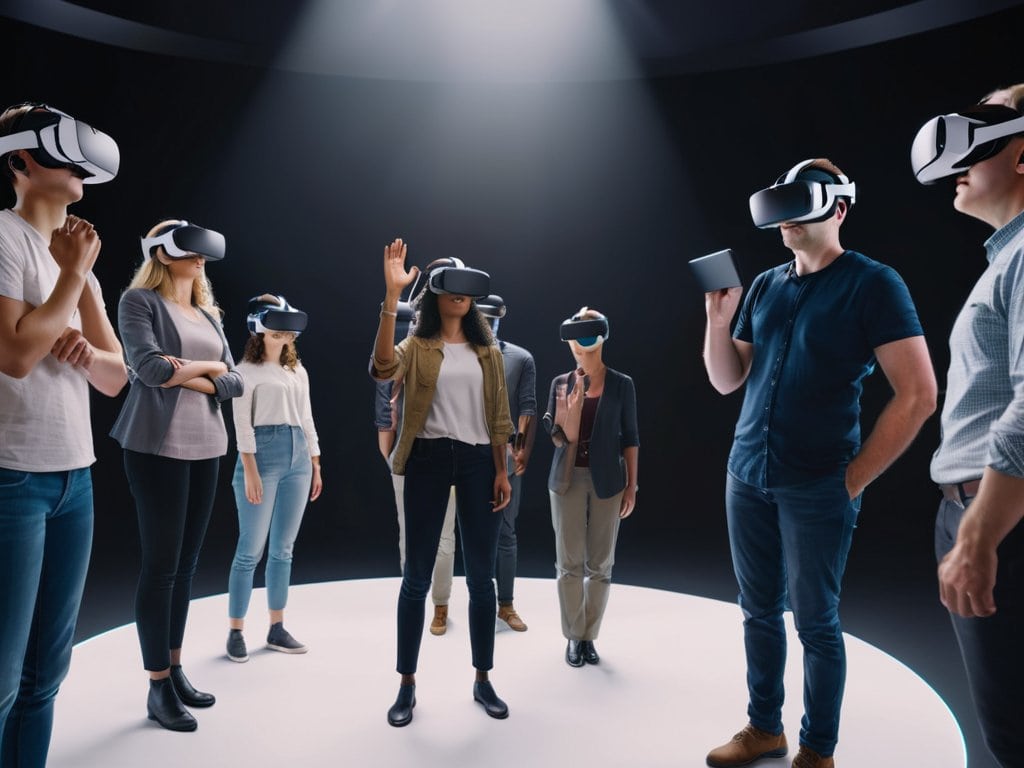
As we look to the future of remote communication, it’s clear that virtual events and conferences are going to play a huge role. I’m excited to see how immersive social experiences will change the way we attend and interact with events online. With the ability to create fully immersive environments, attendees will be able to engage with each other and the content in a much more meaningful way.
The social impact of virtual reality is already being felt, and as virtual events become more prevalent, we’ll see even more opportunities for connection and community building. VR community building is an area that’s really taking off, with platforms and tools being developed to support the creation of these immersive social experiences. As we move forward, it’s essential that we consider virtual reality etiquette to ensure that these spaces are welcoming and inclusive for all.
As we step into this new world of virtual events, it’s fascinating to think about the possibilities. With the ability to create entirely new environments and experiences, the potential for innovation is vast. Immersive social experiences will become the norm, and we’ll see a shift away from traditional, passive event formats. The future of virtual events is bright, and it’s an area that I’m eager to explore further, to see how we can harness the power of virtual reality to bring people together in new and exciting ways.
Revolutionizing Remote Communication
As we explore the vast potential of virtual reality, it’s becoming clear that remote communication is on the cusp of a major overhaul. With the ability to connect with others in a fully immersive environment, the sense of distance and disconnection that often comes with traditional video conferencing is all but eliminated.
The impact of this shift cannot be overstated, as virtual meetups begin to replace traditional conference calls, allowing teams to collaborate and interact in a far more natural and engaging way.
Social Impact of Virtual Conferences
As virtual conferences become the norm, it’s interesting to see how they’re changing the way we interact with each other. The social impact of these events is multifaceted, ranging from increased accessibility to reduced environmental footprints.
As we continue to navigate the vast and ever-expanding landscape of virtual reality as a social space, it’s becoming increasingly clear that meaningful connections are the key to unlocking its true potential. For those looking to dive deeper into the world of VR and explore its capabilities, I’ve found that checking out online communities and forums can be a great way to get started. One such resource that I’ve stumbled upon, which offers a unique glimpse into the world of virtual socialization, is Svensk sexchatt – it’s amazing to see how like-minded individuals are coming together to share their experiences and insights, and it’s definitely worth exploring for anyone interested in the future of virtual events and social spaces.
Virtual conferences are also enabling global connections, allowing people from all over the world to come together and share ideas, fostering a sense of community and cooperation that transcends geographical boundaries.
Navigating Virtual Reality as a Social Space: 5 Key Tips
- Be Authentic and Transparent: Just like in real life, being genuine and true to yourself is crucial in virtual reality social spaces
- Respect Personal Space: Understand that personal boundaries exist even in virtual environments, and be mindful of others’ comfort zones
- Engage Actively: Don’t just observe – participate in discussions, activities, and events to get the most out of your virtual social experience
- Learn VR Etiquette: Familiarize yourself with the unwritten rules of virtual reality interactions to avoid unintentionally offending others or making them uncomfortable
- Practice Empathy and Understanding: Recognize that people from diverse backgrounds and cultures will be interacting in these spaces, and be open to learning from their perspectives and experiences
Key Takeaways from Virtual Reality as a Social Space
I’m left wondering if VR social spaces will eventually replace traditional social media platforms, or if they’ll coexist in a way that completely flips our current understanding of online interaction on its head
The way we’re seeing immersive community building and VR etiquette evolve is not just about tech – it’s about creating a new language of human connection that feels almost… more real than real life
As virtual events and conferences become the norm, I’m excited to see how this shift revolutionizes remote communication, making it more intimate, more engaging, and more accessible to people from all walks of life
Stepping into the Future
As we dive deeper into the realm of virtual reality, it’s becoming clear that the true power of this technology lies not in its ability to transport us to new worlds, but in its capacity to bring us closer together in ways we never thought possible.
Ethan Blackwood
Conclusion
As we’ve explored the realm of virtual reality as a social space, it’s clear that this technology is not just about gaming or entertainment, but about creating immersive communities where people can connect, interact, and build meaningful relationships. From immersive community building to VR etiquette, and from revolutionizing remote communication to the social impact of virtual conferences, the potential of VR to transform the way we socialize and interact is vast and profound.
So as we step into this void of endless possibilities, let’s remember that the true power of virtual reality lies not in its technology, but in its ability to bring us closer together, to break down barriers and to create a more inclusive and compassionate world. As we continue to push the boundaries of what’s possible in VR, let’s keep our eyes on the prize: a future where virtual reality is not just a tool, but a bridge to a brighter, more connected tomorrow.
Frequently Asked Questions
How will virtual reality platforms ensure user safety and security in social spaces?
To ensure user safety, VR platforms are implementing robust moderation tools, strict community guidelines, and advanced reporting systems, allowing users to feel protected and supported within these immersive social environments.
What are the potential effects of prolonged social interaction in virtual reality on users’ mental health?
Honestly, I’m a bit concerned about the potential mental health impacts of spending too much time socializing in VR – it’s a relatively new frontier, and we still don’t fully understand how it affects our minds and emotions in the long run, so it’s crucial we prioritize research and self-care.
Can virtual reality social spaces truly replicate the depth and intimacy of in-person human connections?
Honestly, I think VR social spaces can get pretty close, but they’re not quite there yet. There’s something about physical presence that’s hard to replicate, but VR is making huge strides in simulating those intimate connections – it’s all about the little details and immersive experiences that make you feel like you’re really there with someone.
