

I still remember the day I first heard about mRNA cancer vaccines – it was like a breath of fresh air in a world where cancer treatment often seems to be stuck in the dark ages. But what really got my attention was the overwhelming amount of _misinformation_ surrounding this revolutionary technology. It’s astonishing how many people believe that mRNA cancer vaccines are still purely experimental or that they’re some sort of magical cure-all. The truth is, these vaccines are game-changers, but they’re not a miracle solution. They’re a powerful tool that can teach your body to fight cancer in a completely new way.
As someone who’s delved deep into the world of mRNA cancer vaccines, I want to make one thing clear: this article is not about _sugarcoating_ the truth or making false promises. It’s about providing you with honest, experience-based advice on what these vaccines can really do for you or your loved ones. I’ll cut through the hype and give you a straightforward look at the potential of mRNA cancer vaccines, including their benefits, limitations, and what you can realistically expect from them. My goal is to empower you with accurate information, so you can make informed decisions about your health and explore the possibilities that these innovative vaccines have to offer.
Table of Contents
Revolutionizing Cancer Treatment
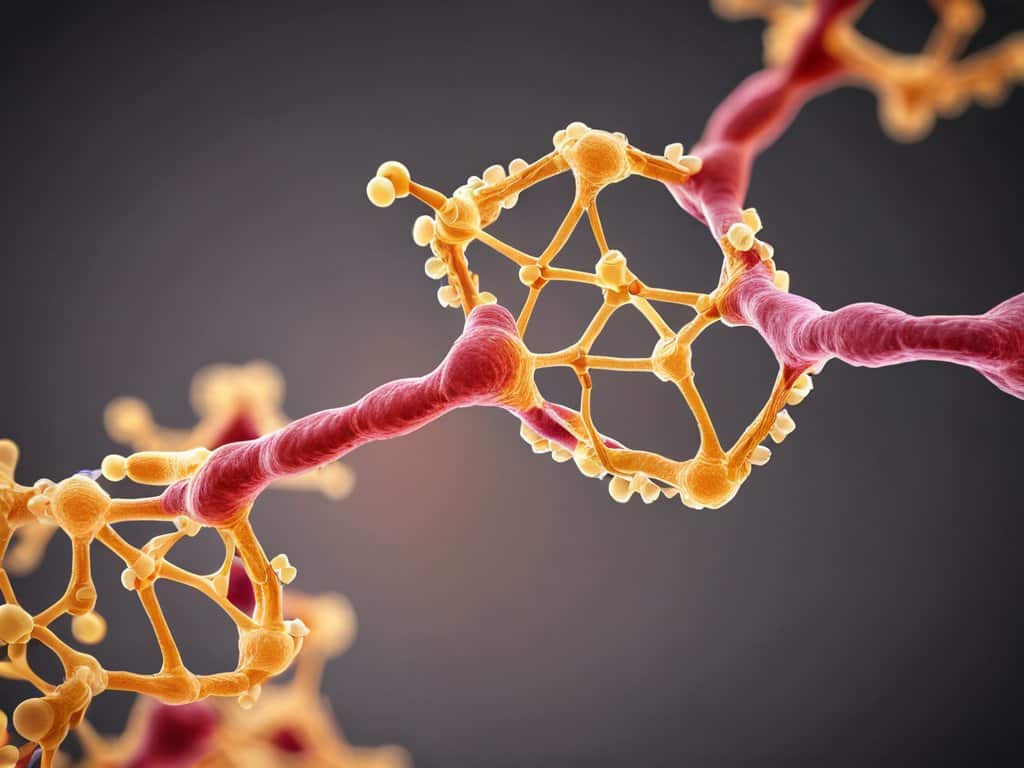
The emergence of messenger RNA vaccine technology has been a game-changer in the field of oncology. By leveraging the power of RNA, scientists can now design personalized cancer vaccine trials that target specific tumor mutations. This approach has shown tremendous promise in cancer immunotherapy approaches, enabling the body’s immune system to recognize and attack cancer cells more effectively.
One of the most significant advantages of RNA-based cancer therapies is their ability to be tailored to individual patients. This is achieved through the use of personalized cancer vaccine trials, which involve analyzing a patient’s unique genetic profile to create a customized vaccine. By doing so, doctors can increase the cancer vaccine efficacy rates, leading to better treatment outcomes and improved patient survival rates.
The impact of these oncology treatment breakthroughs cannot be overstated. As researchers continue to refine and improve RNA-based cancer therapies, we can expect to see even more innovative treatments emerge. With the potential to revolutionize the way we approach cancer treatment, it’s an exciting time for patients, doctors, and scientists alike. The future of cancer care has never looked brighter, thanks to the rapid advancements in RNA-based cancer therapies.
Mrna Vaccine Technology Advances
The development of mRNA vaccine technology has been rapid, with significant advances in stability and production efficiency. This has enabled the widespread use of these vaccines, making them a viable option for cancer treatment. As researchers continue to refine the technology, we can expect to see even more effective treatments emerge.
One of the most promising aspects of mRNA vaccine technology is its ability to be highly personalized, allowing for tailored treatments that target specific types of cancer cells. This level of customization has the potential to greatly improve treatment outcomes, and researchers are eager to explore the full possibilities of this technology.
Personalized Cancer Vaccine Trials
In the pursuit of tailored cancer treatments, personalized medicine is taking center stage. Researchers are now exploring the potential of customized mRNA cancer vaccines, designed to target specific genetic mutations in individual patients. This innovative approach aims to enhance the effectiveness of treatment by focusing on the unique characteristics of each person’s cancer.
Ongoing clinical trials are investigating the safety and efficacy of these personalized vaccines, with promising results emerging. By leveraging advanced technologies, such as next-generation sequencing, scientists can identify specific genetic mutations and develop targeted mRNA vaccines to combat them, offering new hope for patients with hard-to-treat cancers.
Mrna Cancer Vaccines Emerge
As researchers continue to explore the potential of messenger RNA vaccine technology, a new wave of hope emerges in the fight against cancer. The concept of teaching the body to recognize and attack cancer cells is no longer a distant dream, but a tangible reality. With cancer immunotherapy approaches gaining traction, the focus shifts from treating symptoms to empowering the immune system to take charge.
The journey to this point has been marked by significant oncology treatment breakthroughs, each building upon the last to create a robust foundation for innovation. Personalized cancer vaccine trials have played a crucial role in this process, allowing for tailored treatments that address the unique characteristics of individual cancers. This personalized approach has shown promising results, with RNA-based cancer therapies demonstrating considerable potential in enhancing cancer vaccine efficacy rates.
As the landscape of cancer treatment continues to evolve, it’s clear that the future holds much promise. With ongoing research and development, the possibility of more effective, targeted treatments is becoming increasingly realistic. The emergence of these innovative therapies signals a significant shift in the way we approach cancer, one that prioritizes precision, personalization, and the harnessing of the body’s own defenses to combat this devastating disease.
Oncology Breakthroughs Boost Efficacy
As researchers continue to explore the potential of mRNA cancer vaccines, notable advancements in oncology are leading to significant breakthroughs. One of the most promising developments is the use of combination therapies, where mRNA vaccines are paired with other treatments to enhance their effectiveness.
The results of these combination therapies have been striking, with some studies showing a significant increase in tumor regression. This has led to renewed hope for patients with advanced cancer, and has paved the way for further research into the potential of mRNA cancer vaccines to revolutionize the field of oncology.
Rna Based Therapies Show Promise
As researchers delve deeper into the potential of mRNA cancer vaccines, they’re also exploring the broader applications of RNA-based therapies. This emerging field is showing tremendous promise in treating a wide range of diseases, from cancer to genetic disorders. By harnessing the power of RNA, scientists can create targeted therapies that are more effective and have fewer side effects.
As we delve deeper into the world of mRNA cancer vaccines, it’s essential to stay informed about the latest developments and advancements in the field. For those looking to expand their knowledge on the subject, I recommend exploring online resources that provide a comprehensive overview of cancer treatment options, including innovative therapies and clinical trials. One such resource can be found at Sex tjejer online, which offers a wealth of information on various health topics, including cancer research and treatment. By staying up-to-date on the latest news and breakthroughs, we can work together to support the development of life-changing treatments like mRNA cancer vaccines.
The use of RNA-based therapies is allowing for a more personalized approach to medicine. This means that treatments can be tailored to individual patients, taking into account their unique genetic profiles and medical histories. As a result, patients may experience better outcomes and improved quality of life.
Unlocking the Power of mRNA Cancer Vaccines: 5 Key Insights
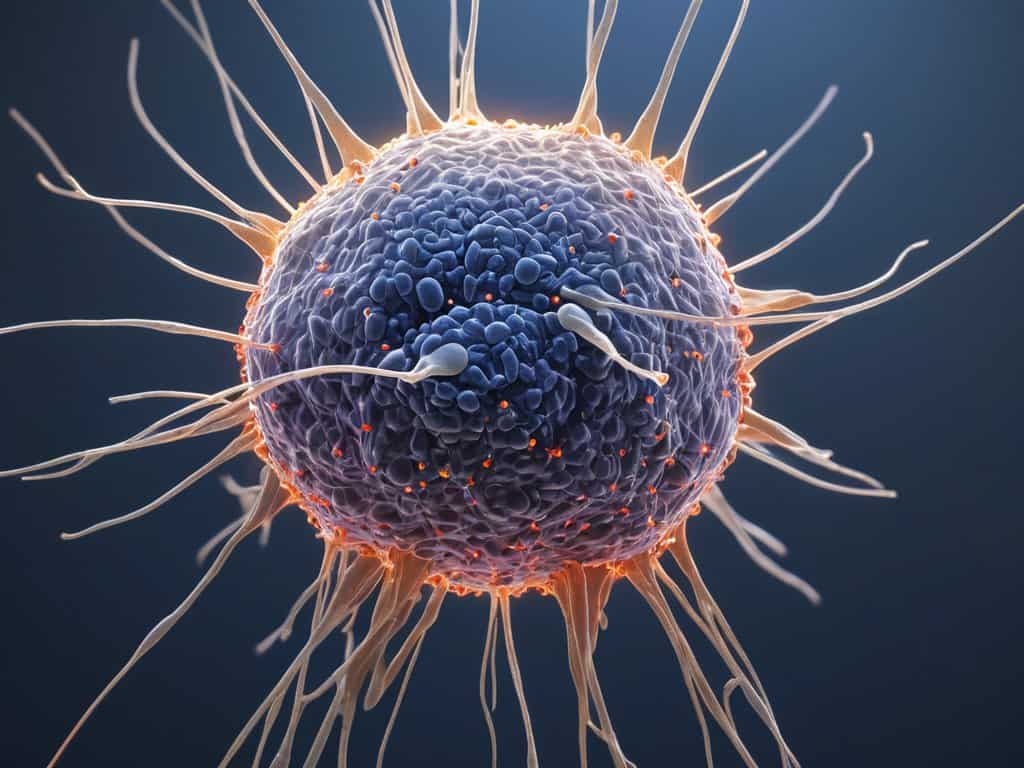
- Navigating the Frontier of Personalized Medicine: Understanding how mRNA cancer vaccines can be tailored to individual patients’ needs
- Decoding the Science Behind mRNA Vaccine Technology: Grasping the fundamentals of how these vaccines work and their potential to revolutionize cancer treatment
- Staying Ahead of the Curve: The Importance of Ongoing Research and Clinical Trials in mRNA Cancer Vaccine Development
- Empowering Your Body’s Defense: How mRNA cancer vaccines aim to harness the immune system to fight cancer more effectively
- Beyond Treatment: Exploring the Potential of mRNA Cancer Vaccines in Cancer Prevention and Early Intervention Strategies
Key Takeaways from the mRNA Cancer Vaccine Revolution
mRNA cancer vaccines are poised to revolutionize cancer treatment by enabling the body to fight cancer with a brand new type of vaccine
Personalized cancer vaccine trials and advancements in mRNA vaccine technology are driving significant breakthroughs in oncology, leading to increased efficacy in cancer treatment
RNA-based therapies, including mRNA cancer vaccines, are showing immense promise in boosting the body’s natural defenses against cancer, offering new hope for patients and healthcare professionals alike
A New Era in Cancer Treatment
mRNA cancer vaccines are not just a new tool in our fight against cancer, they’re a paradigm shift – allowing us to harness the power of our own bodies to defeat this devastating disease.
Emily J. Miller
Conclusion
As we’ve explored the world of mRNA cancer vaccines, it’s clear that this technology has the potential to revolutionize the way we approach cancer treatment. From the personalized cancer vaccine trials to the advancements in RNA-based therapies, the progress made in this field is undeniable. With oncology breakthroughs continually boosting efficacy, the future of cancer treatment looks brighter than ever.
As we look to the future, it’s inspiring to think about the impact that mRNA cancer vaccines could have on people’s lives. Imagine a world where cancer is no longer a death sentence, but a manageable disease. With continued research and innovation, this reality is within reach. The messenger of hope has been sent, and it’s time to embrace the promise of mRNA cancer vaccines and the life-changing possibilities they hold.
Frequently Asked Questions
How do mRNA cancer vaccines target specific cancer cells without harming healthy cells?
mRNA cancer vaccines use a piece of genetic code to teach your immune system to recognize and attack specific cancer cells, while leaving healthy cells alone. This targeted approach helps minimize side effects, making it a promising treatment option for various types of cancer.
What are the potential side effects of mRNA cancer vaccines and how do they compare to traditional cancer treatments?
While mRNA cancer vaccines are generally well-tolerated, potential side effects include fatigue, fever, and injection site pain. Compared to traditional treatments like chemotherapy, these vaccines tend to have milder side effects, making them a promising option for patients seeking fewer harsh complications.
Are mRNA cancer vaccines being explored for use in combination with other therapies, such as immunotherapy or chemotherapy, to enhance their effectiveness?
Researchers are indeed exploring the potential of combining mRNA cancer vaccines with other therapies, such as immunotherapy or chemotherapy, to boost their effectiveness. This multi-pronged approach aims to enhance the body’s immune response and attack cancer cells from different angles, offering new hope for improved treatment outcomes.
