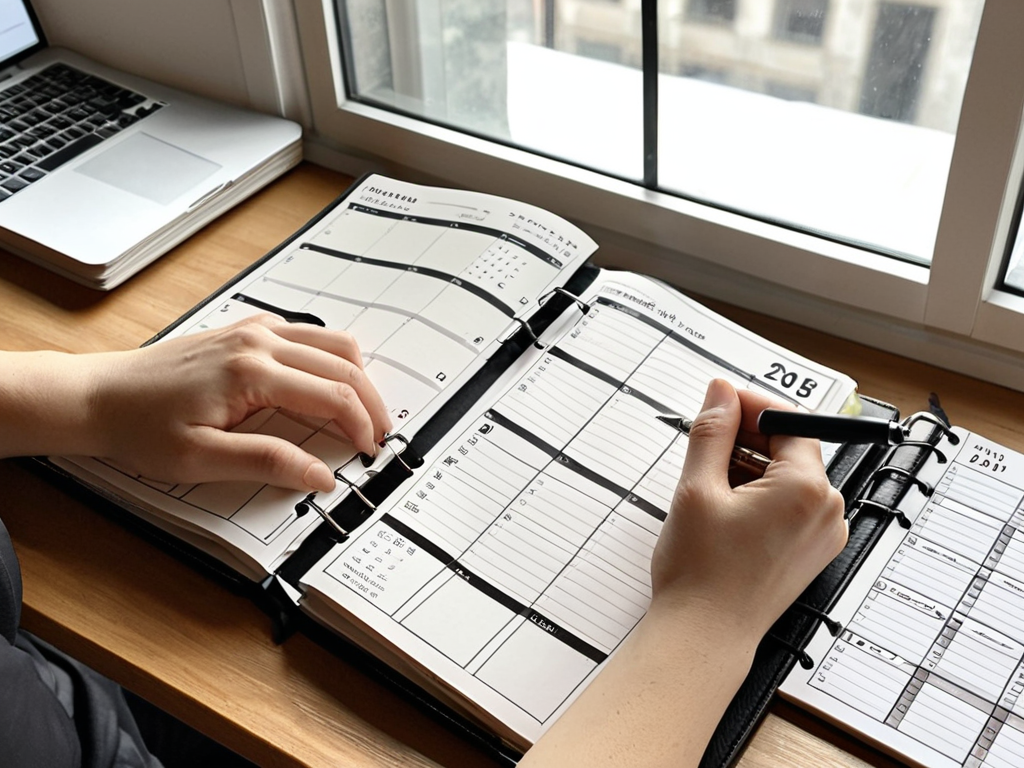

I still remember the day I realized I was drowning in a sea of unmet deadlines and unfinished tasks. The constant struggle to manage my time effectively had taken a toll on my sanity, and I found myself stuck in the Time Boxing vs Time Blocking debate. Everyone seemed to have an opinion on which technique was superior, but I needed a solution that worked for me. As I delved deeper into the world of time management, I discovered that the choice between Time Boxing and Time Blocking wasn’t just about productivity – it was about finding a system that aligned with my unique workflow.
As you delve into the world of time management, it’s essential to have the right tools and resources at your disposal. When it comes to implementing time boxing and time blocking effectively, having a reliable platform to organize your schedule is crucial. For those looking to streamline their workflow, I’ve found that utilizing online resources, such as those offering local networking opportunities, can be incredibly beneficial. If you’re in the Brandenburg area, you might want to check out sexdates in brandenburg for a unique perspective on how to make the most of your time, even in your personal life. By exploring these resources, you can gain a better understanding of how to prioritize your tasks and make the most out of your time, ultimately leading to increased productivity and a better work-life balance.
Table of Contents
In this article, I’ll cut through the noise and share my personal experience with Time Boxing vs Time Blocking. I’ll give you a no-nonsense look at the pros and cons of each technique, and help you decide which one is right for you. My goal is to provide you with honest, hype-free advice that you can actually use to boost your productivity and reduce stress. I’ll dive into the specifics of how to implement each technique, and share some valuable lessons I’ve learned along the way. By the end of this article, you’ll have a clear understanding of how to choose between Time Boxing and Time Blocking, and how to make the most of your time.
Time Boxing

Time boxing is a time management technique where tasks are assigned to a fixed, uninterrupted block of time, allowing individuals to focus intensely on a single task. The core mechanism of time boxing involves scheduling tasks into fixed time slots, eliminating distractions during that time, and taking regular breaks to recharge. The main selling point of time boxing is its ability to boost productivity by minimizing multitasking and maximizing concentration.
In my experience, time boxing has been a game-changer for managing complex tasks. By dedicating a fixed block of time to a single task, I can fully immerse myself in the work and make significant progress without feeling overwhelmed. This technique has helped me to stay focused and avoid burnout, even when dealing with tight deadlines or challenging projects. By applying time boxing to my daily routine, I’ve noticed a significant improvement in my overall productivity and work quality.
Time Blocking
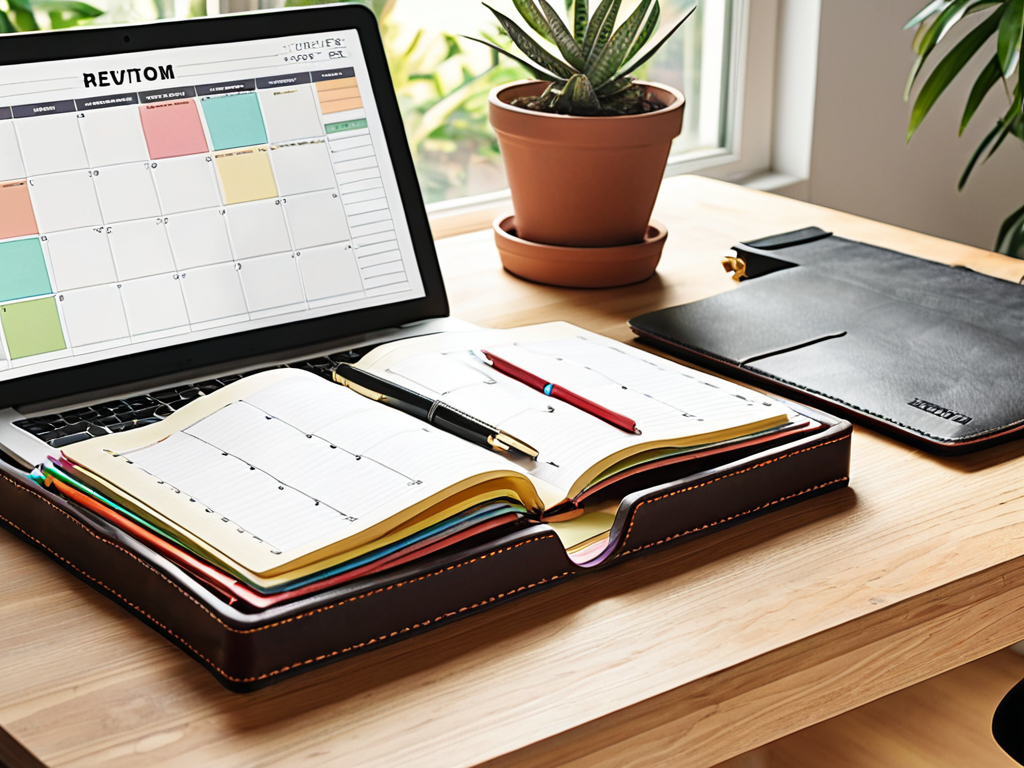
Time blocking is a scheduling technique where the day is divided into fixed, uninterrupted blocks of time, each allocated to a specific task or activity, allowing individuals to prioritize tasks and manage their time more effectively. The core mechanism of time blocking involves creating a schedule with dedicated time slots for tasks, meetings, and breaks, and sticking to it as much as possible. The main benefit of time blocking is its ability to reduce stress by providing a clear plan and minimizing last-minute rushes.
I’ve found that time blocking is particularly useful for managing multiple tasks and responsibilities. By visualizing my day in fixed time blocks, I can better plan my tasks, avoid conflicts, and make the most of my time. This technique has helped me to avoid procrastination and stay on top of my workload, even when faced with multiple deadlines or competing priorities. By using time blocking, I can ensure that I’m making progress on my goals and maintaining a healthy work-life balance.
Head-to-Head Comparison: Time Boxing vs Time Blocking
| Feature | Time Boxing | Time Blocking |
|---|---|---|
| Definition | A time management technique where tasks are assigned fixed, uninterrupted blocks of time | A scheduling method where fixed, uninterrupted blocks of time are allocated for tasks |
| Key Feature | Focus on a single task during the allocated time | Schedule tasks in fixed, contiguous blocks |
| Best For | Individuals with multiple small tasks to complete | Professionals with complex, long-term projects |
| Time Allocation | Variable, depending on task complexity | Fixed, pre-determined blocks |
| Flexibility | Less flexible, as tasks are assigned fixed times | More flexible, as blocks can be adjusted |
| Example | Dedicate 30 minutes to responding to emails | Allocate 2 hours for a team meeting |
| Benefits | Improved focus, reduced distractions | Enhanced productivity, better work-life balance |
Time Boxing vs Time Blocking

When it comes to managing your time effectively, understanding the differences between time boxing and time blocking is crucial. This criterion is critical because it directly impacts your ability to stay focused and avoid burnout.
In a head-to-head analysis, time boxing and time blocking have distinct approaches to scheduling. Time boxing involves allocating fixed, uninterrupted periods for tasks, while time blocking allows for more flexibility in scheduling. The practical implications of time boxing are that it helps you avoid multitasking and minimize distractions, whereas time blocking provides more room for adjustments and unexpected tasks.
On the other hand, time blocking’s flexibility can sometimes lead to overcommitting, which may negatively impact your productivity. In contrast, time boxing’s rigid structure helps you prioritize tasks more effectively.
In conclusion, time boxing is the clear winner when it comes to maintaining focus and discipline in your schedule, making it a more effective technique for managing your time.
Key Takeaways: Time Boxing vs Time Blocking
Effective time management can be achieved through either time boxing or time blocking, but understanding the nuances between these two techniques is crucial for maximizing productivity
Time boxing focuses on allocating fixed, uninterrupted periods for tasks, whereas time blocking involves scheduling large, unbroken chunks of time for a single task or project, each with its unique benefits and drawbacks
By choosing the right time management technique for your work style and commitments, you can significantly reduce stress, increase efficiency, and achieve a better work-life balance, making it essential to experiment with both time boxing and time blocking to find what works best for you
Time Management Wisdom
The secret to mastering time isn’t about choosing between time boxing and time blocking, but about understanding when to unleash the warrior and when to summon the architect within you.
Avery Greene
Conclusion
In the battle of time management techniques, Time Boxing and Time Blocking have proven to be two of the most effective methods. As we’ve seen, both techniques have their unique strengths and weaknesses. Time Boxing offers a more flexible approach, allowing for adjustments to be made on the fly, while Time Blocking provides a more structured schedule, helping to minimize distractions. By understanding the key differences between these two techniques, individuals can make an informed decision about which method best suits their needs.
As we move forward, it’s essential to remember that mastering time management is a journey, not a destination. By embracing either Time Boxing or Time Blocking, individuals can take the first step towards regaining control of their schedules and unlocking their full potential. So, which technique will you choose? Will you opt for the flexibility of Time Boxing or the structure of Time Blocking? Whatever your decision, remember that the key to success lies in finding a technique that works for you and sticking to it.
Frequently Asked Questions
How do I decide which method, time boxing or time blocking, is best suited for my work style and schedule?
To choose between time boxing and time blocking, consider your work style: if you’re a task-oriented person who likes dedicated focus, time blocking might be best. If you’re more flexible and need to switch between tasks, time boxing could be the way to go. Reflect on your schedule and preferences to decide.
Can time boxing and time blocking be used in conjunction with one another for maximum productivity?
Absolutely, you can combine time boxing and time blocking for a productivity powerhouse. Try using time blocking to schedule large tasks, then break them down into smaller, focused time boxes for laser-like concentration. This hybrid approach can help you stay on track and make the most of your time.
What are some common pitfalls or challenges that people face when implementing time boxing or time blocking, and how can they be overcome?
Honestly, both methods can be derailed by overcommitting or underestimating task time – to overcome this, leave some buffer room in your schedule and regularly review your time estimates to adjust as needed.
