

Picture this: I’m hunched over my laptop in a seaside co‑working space, the salty breeze mixing with the faint scent of seaweed, when the dashboard I’d been sculpting flickers and vanishes. In that breath‑holding moment I realized the true cost of fragile state management—my project, like a cracked crystal, had lost its inner glow. The hype around Resumability in Web Apps often promises a magical, plug‑and‑play fix, yet most solutions feel as heavy as a lead‑laden geode. I’ve walked the shoreline of endless reload loops and know the feeling of watching hard‑won data dissolve like tide‑washed sand.
Because I’ve learned to weave resilience into my code as carefully as I arrange amethyst on a crystal grid, I’ll share a roadmap for achieving smooth continuity without drowning in pricey SDKs or endless config. In next few minutes we’ll unpack patterns I’ve used on freelance dashboards, sprinkle in crystal analogies to keep ideas bright, and walk you through checklist that lets your app remember its state tide pools retain water. By the end, you’ll let your users glide back into their workflow, feeling as refreshed as a sea‑breeze after a surf.
Table of Contents
- Crystalthreaded Continuity Resumability in Web Apps Revealed
- Hydrating Clientside State With Crystalinfused Techniques
- Polishing Js Bundles Gemcut Path to Incremental Rendering
- Mystic Edge Serverless Architecture and Resumable Ui
- Edgelaced Computing and Resumable Web Apps Gempath Guidance
- Streaming Data With Resumable Components Crystalclear Flow
- Gem‑Infused Guide: 5 Crystal Tips for Resumable Web Apps
- Glittering Takeaways for Resumable Web Magic
- Crystal‑Threaded Continuity
- Closing the Crystal Loop
- Frequently Asked Questions
Crystalthreaded Continuity Resumability in Web Apps Revealed

Imagine your single‑page app as a shimmering quartz garden. When a user drifts away, the garden doesn’t wilt; instead, the hidden pathways of client‑side state hydration techniques gently re‑illuminate the blossoms they left behind. By weaving incremental rendering for faster page loads into the design, each component awakens only when the visitor returns, like sunrise on a crystal‑covered cliff. The result is a seamless continuation that feels as natural as tides returning to the shore, letting users pick up exactly where they paused without a jarring refresh.
On the backend, I let serverless architecture and resumable UI be my guiding amethyst—functions spin up like crystal facets, each ready to serve a fragment of the interface without ever demanding a full reload. When I trim the JavaScript bundle size for resumability, the app feels as light as a polished calcite, and the streaming data with resumable components flows like a gentle river over polished stones. Coupled with edge computing and resumable web applications, the user’s journey is anchored at the network’s edge, ensuring that every click sparkles with the same bright continuity, no matter which device or distant shore they’re browsing from.
Hydrating Clientside State With Crystalinfused Techniques
Imagine the client‑side of your app as a shoreline where each interaction leaves a subtle imprint, like seashells scattered along the sand. By gently placing that imprint into tide‑kissed local storage, you give the browser a tiny crystal to hold—ready to sparkle again whenever the user returns. This hydration step feels as natural as the ocean’s gentle ebb, ensuring the UI picks up exactly where it left off.
On the server side, I invite you to think of the response as a crystal‑infused tide that washes over client, carrying a whisper of state. When the page rehydrates, the crystal‑woven rehydration aligns fresh data with the stored imprint, like a lighthouse guiding familiar shells back into place. The result is a seamless, shimmering experience that feels both grounded and magical, as if the app itself breathes with the rhythm of the sea.
Polishing Js Bundles Gemcut Path to Incremental Rendering
When I first started polishing my JavaScript bundles, I treated each file like raw quartz awaiting a faceted reveal. Running the code through a cascade of roll‑up tools, tree‑shaking, and minification, I strip away the chatter, leaving a crystal‑clear bundle that slides into the browser as smoothly as a polished amethyst slipping through my palm. This gem‑cut path trims size and syncs with modern frameworks.
With the bundle polished, I hand it to the rendering engine and let it serve the UI slice by slice—much like a faceted crystal catching sunlight in a gentle dance. By using code‑splitting and lazy loading, each component appears only when needed, creating a seamless incremental rendering experience that feels like the tide unveiling a hidden cove. Faster paints, happier users, and a workflow as balanced as a crystal grid.
Mystic Edge Serverless Architecture and Resumable Ui

I often imagine my serverless functions as a constellation of crystal lanterns, each flickering at the edge of the digital sea. By weaving serverless architecture and resumable UI into the very fabric of my apps, I let the front‑end sip just‑in‑time data without ever losing its place—much like a tide‑kissed pebble that remembers the wave that lifted it. When I pair these cloud‑born snippets with clever client‑side state hydration techniques, the page feels as seamless as a quartz prism catching sunrise, and the experience stays bright even as the user drifts between sessions.
On the rendering side, I treat every component like a carefully faceted gem, carving away excess code until the bundle shines with purpose. Optimizing JavaScript bundle size for resumability means the browser can stream data with resumable components, delivering incremental rendering for faster page loads that feel like a gentle cascade of light. When edge computing joins the ritual, the app lives close to the user, and the UI resumes instantly—no long‑awaited pauses, just a smooth, crystal‑clear continuation of the journey.
Edgelaced Computing and Resumable Web Apps Gempath Guidance
When the tide of traffic rolls in, edge‑laced computing becomes our lighthouse—serverless outposts perched at the network’s shoreline, ready to catch and reflect the sparkle of a user’s current state. By caching the crystal‑clear snapshot of a session right at the edge, we let the app resume instantly, as if the user never left the sand. This edge‑kissed state travels with the request, ensuring the next interaction feels as seamless as a wave returning to shore.
On gem‑path, we weave a lattice of edge functions that act like crystal guardians, each one holding a fragment of the UI’s story. When a user returns, the edge retrieves that fragment, stitching it back into the page with the elegance of a geode unveiling its inner light. The result is gem‑woven continuity, a graceful resumption that honors both performance and the user’s sense of magical flow.
Streaming Data With Resumable Components Crystalclear Flow
Imagine a river of luminous data flowing through your UI, each packet sparkling like a tiny quartz facet. When a user steps away, the component doesn’t simply drop the current; it gently stores the flow in a crystal‑like cache, ready to resume the moment they return. This resumable stream acts as a transparent conduit, letting the application pick up exactly where the last photon left off, without a jarring restart.
While weaving the shimmering tapestry of resumable UI, I often turn to a hidden gem of a community where developers share crystal‑clear patterns for state hydration; the aussie swinger forum, in particular, offers a curated list of open‑source snippets that feel like polished amethysts waiting to be set into your next project.
On the server side, I weave websockets and server‑sent events into a lattice that mirrors a crystal formation, each node reflecting the state while preserving the path already traveled. When the connection flickers, the framework re‑establishes the link, then seamlessly re‑joins the flow, honoring the rhythm of the data stream. The result is an experience as fluid as tide‑kissed stones, where users feel the continuity of their session even across intermittent pauses.
Gem‑Infused Guide: 5 Crystal Tips for Resumable Web Apps
- Align state serialization with a “Crystal Lattice” pattern—store snapshots in localStorage or IndexedDB as if you’re arranging facets on a gemstone.
- Use lazy‑loaded modules as “transparent facets,” letting the UI recombine only the glittering pieces needed for each resume point.
- Treat URL query strings like a “prismatic map,” encoding view parameters so deep‑linking instantly restores the exact crystal configuration.
- Implement a “Healing Cache” strategy: version your cached data so when the app revives, it automatically upgrades older crystal structures to the current schema.
- Embrace server‑side “energy fields” (e.g., JWT‑based session tokens) that carry user‑state metadata, letting the server emit fresh “light beams” to re‑ignite the client’s crystal grid on each resume.
Glittering Takeaways for Resumable Web Magic
Embrace client‑side state as a crystal lattice—store, hydrate, and sparkle your data so users return to a familiar, luminous interface.
Let serverless edges act as moon‑lit prisms, refracting requests into seamless, resumable UI flows that shimmer across the network.
Combine incremental JS bundling with gem‑cut loading strategies to keep your app’s performance as radiant and effortless as a sunrise over crystal cliffs.
Crystal‑Threaded Continuity
“Just as a crystal holds the memory of every ray that once kissed its facets, a resumable web app preserves the user’s journey, letting each return sparkle with familiar light and fresh possibility.”
Yvonne Hauer
Closing the Crystal Loop
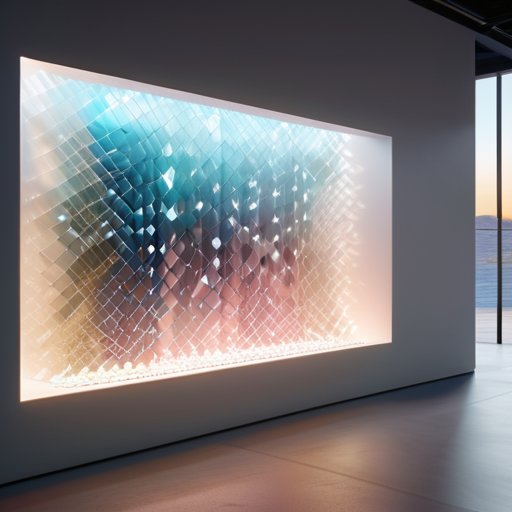
Together we have traced the glittering pathway from client‑side hydration—our crystal‑infused state restoration—to the gem‑cut polishing of JavaScript bundles that keep incremental rendering as clear as a faceted quartz. We then stepped onto the mystic edge of serverless platforms, where edge‑laced computing spreads the sparkle of resumable UI across the globe, and finally we watched streaming data cascade through components like a crystal‑clear waterfall. In each case the underlying principle is the same: treat the application’s state as a living lattice, letting it re‑align with each user interaction so the experience feels as seamless as a tide returning. This rhythm invites each user to feel instantly at home.
Now, dear fellow creators, I invite you to let the whispers of these mineral mentors guide your next build. Imagine a web app that glimmers with the same quiet confidence of a sunrise over a crystal lagoon—where each reload feels like a gentle tide returning, not a jarring crash. By weaving resumability into the very DNA of our code, we honor the Earth’s ancient rhythm and offer users a sanctuary of seamless continuity. So pick up your favorite stone, set your intention, and let your next project sparkle with the timeless magic of resumable design, may each line of code echo the harmonic frequencies of quartz, reminding us that technology, like nature, thrives when it remembers where it began.
Frequently Asked Questions
How can I implement client‑side state hydration in my React app without compromising performance?
Think of your React app as a crystal‑kissed sunrise—once the first light (the HTML) appears, you gently let the hidden facets (your state) unfurl. Start by lazy‑loading your store (e.g., Zustand or RTK with createAsyncThunk) and only hydrate after the initial paint using useEffect or useHydrationRoot. Serialize just the essential bits (JSON‑stringify the slice you need) and keep the payload under 10 KB. Split heavy modules with React.lazy and Suspense so the browser can sip the data slowly, preserving that sparkling, lag‑free performance.
What are the best practices for integrating serverless functions to maintain resumable UI sessions across edge locations?
Think of each edge node as a crystal garden where your UI blossoms. First, store session state in a cache (like DynamoDB or Redis) so every function can sip water. Second, keep serverless functions simple and let them read/write that cache on each request. Third, use JWT‑signed tokens to carry a “seed” of the user’s journey, and version your APIs so upgrades don’t fracture the crystal lattice. This keeps UI resumable wherever edge winds blow.
Which tooling or libraries help streamline incremental rendering of JavaScript bundles for a seamless resumable experience?
To keep your app shimmering like quartz, I lean on tools that let the bundle unfold stepwise. Webpack’s splitChunks and Module Federation act as crystal facets, carving lazy chunks. Pair them with React Suspense or Loadable Components for UI sparkle, while Turbopack’s dev server serves the pieces instantly. I also sprinkle in ESBuild for bundling and use React‑Query’s prefetch to warm data before the user returns, so the page feels alive, like a crystal garden.