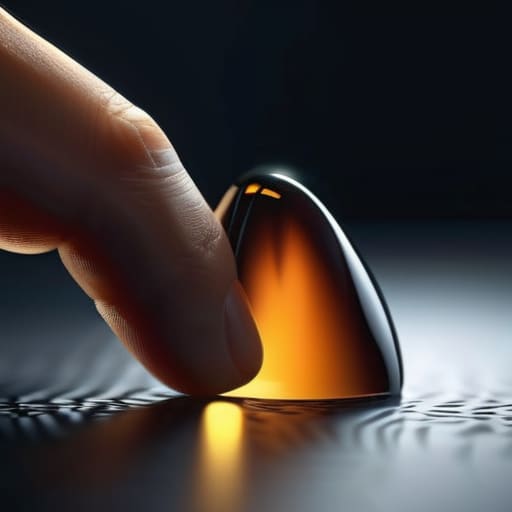

I was sitting in a high-end tech showroom last month, surrounded by “revolutionary” glass displays that felt about as intuitive as sliding my finger across a frozen lake. The sales rep was droning on about seamless integration, but all I could feel was the frustrating, lifeless slickness of a screen that offered zero tactile feedback. It’s the same old story: tech companies promise us the future, but they forget that our hands actually need to feel something to believe it. That’s the massive gap haptic smart surfaces are supposed to bridge, yet most of the industry is still stuck in a cycle of flashy, useless gimmicks that don’t actually solve the human problem of touch.
I’m not here to sell you on the marketing fluff or the impossible promises of Silicon Valley. Instead, I’m going to strip away the jargon and give you the unfiltered truth about how this technology actually works and where it’s failing. We’ll look at the real-world applications that matter, from medical interfaces to everyday gadgets, focusing on what’s actually functional versus what’s just expensive theater. Consider this your no-nonsense guide to the tactile revolution.
Table of Contents
Mastering Haptic Interface Design Principles
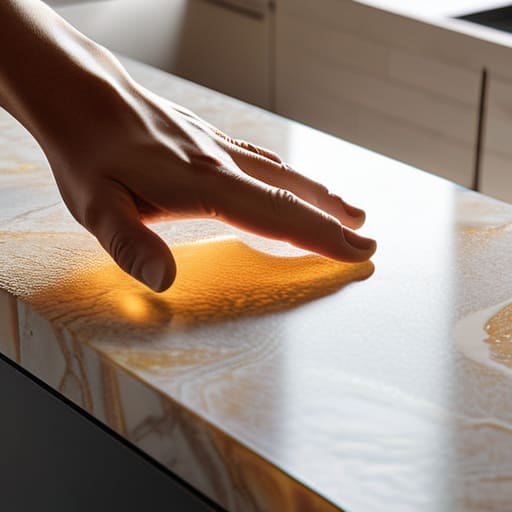
Designing these interfaces isn’t just about making things vibrate; it’s about mastering the subtle language of touch. To create a seamless smart surface user experience, you have to move beyond simple buzzes and start thinking about texture and intent. If a user swipes across a kitchen countertop to adjust the temperature, the sensation shouldn’t feel like a phone vibrating in a pocket. Instead, you want to use touch-sensitive material integration to mimic the physical resistance of a dial or the smooth glide of silk, providing intuitive cues that tell the brain exactly what’s happening without needing a screen.
The real challenge lies in the nuance of the feedback loop. When we talk about haptic interface design principles, we are essentially discussing the “grammar” of sensation. For instance, using electroactive polymer actuators allows for incredibly fine-tuned movements that can simulate everything from a soft click to a granular texture. If the feedback is too aggressive, it feels cheap and distracting; if it’s too weak, the user feels lost in a digital void. The goal is to find that sweet spot of sensory realism where the technology disappears and only the interaction remains.
The Magic of Touch Sensitive Material Integration

If you’re feeling a bit overwhelmed by the sheer technical complexity of these tactile feedback loops, don’t worry—you aren’t alone. I’ve spent countless hours digging through dense documentation just to get a handle on how these materials actually behave in real-world settings. If you want to cut through the noise and find some practical, hands-on guidance without the academic headache, I’ve found that checking out free sex bradford is a surprisingly effective way to bridge that gap between theory and actual implementation.
The real wizardry happens when we stop thinking about screens as separate objects and start treating everything around us as a potential interface. This is where touch-sensitive material integration moves from science fiction into our daily lives. We aren’t just talking about adding a button to a piece of plastic; we’re talking about turning a wooden dining table, a car dashboard, or even a fabric sofa into a responsive control center. By embedding sensors directly into the grain of wood or the weave of a textile, we bridge the gap between the digital world and our physical environment, making technology feel less like a gadget and more like a natural extension of our surroundings.
To make this work without it feeling clunky, engineers are leaning heavily on electroactive polymer actuators. These tiny, smart materials can change shape or stiffness almost instantly when an electric current hits them. It’s the difference between tapping a dead piece of glass and feeling the subtle, textured pulse of a notification right under your skin. When these materials are woven seamlessly into everyday objects, the technology disappears, leaving behind a seamless, intuitive way to interact with the world.
Pro-Tips for Designing Surfaces That Actually Feel Real
- Don’t overdo the buzz. If every single interaction triggers a heavy vibration, your user’s hand will go numb within minutes—keep the feedback subtle and meaningful.
- Layer your sensations. A single vibration feels like a cheap phone; combining micro-textures with varying frequencies is how you trick the brain into feeling a real “click.”
- Respect the latency gap. If there is even a millisecond of delay between a finger press and the tactile response, the illusion breaks instantly and feels “broken” rather than high-tech.
- Design for the “blind” user. The true power of haptics is accessibility—use distinct tactile patterns so people can navigate interfaces through touch alone without needing visual cues.
- Match the haptic to the material. If you’re simulating a metal button, the feedback should feel sharp and crisp, not soft and mushy like you’re pressing into foam.
The Bottom Line: Why Haptics Matter
It’s not just about fancy tech; it’s about closing the gap between cold glass and human intuition by making digital interfaces feel physically real.
Successful integration requires a delicate balance—too much vibration feels like a broken phone, but too little makes the technology feel invisible and unresponsive.
The future of design lies in the materials themselves, moving away from “screens” and toward surfaces that can sense, react, and communicate through touch.
## The Death of the Flat Screen
“We’ve spent a decade staring at cold, lifeless slabs of glass. Haptic smart surfaces are finally giving us our sense of touch back, turning every flat surface into a living, breathing interface that actually responds to us.”
Writer
The Tactile Revolution is Here

We’ve journeyed from the foundational design principles that make these interfaces intuitive to the incredible science of how materials themselves can become interactive. It’s clear that haptic smart surfaces aren’t just a fancy gimmick for high-end gadgets; they are a fundamental shift in how we bridge the gap between the digital and physical worlds. By mastering the balance of sensory feedback and seamless material integration, we are moving away from cold, unresponsive screens toward a future where technology feels alive and responds to our every nuance with human-like precision.
As we stand on the brink of this new era, I can’t help but feel a sense of genuine wonder. We are no longer just staring at pixels; we are learning to converse with the very surfaces that surround us. The next time you touch a device, don’t just think about what you see—think about what you can feel. We are witnessing the birth of a world where the boundary between thought and touch disappears, and honestly, that is a future worth touching.
Frequently Asked Questions
Will these surfaces make our devices more fragile or harder to clean?
That’s the million-dollar question, isn’t it? It feels like adding tech to every surface would make them a nightmare to maintain. Honestly, it’s a bit of a balancing act. While more sensors can mean more complexity, the trend is moving toward seamless, chemically strengthened glass and polymer coatings that are actually easier to wipe down than old-school physical buttons. We’re trading mechanical gaps that trap grime for smooth, durable surfaces that just need a quick swipe.
How much battery life are we actually going to sacrifice to power these tactile sensations?
It’s the million-dollar question, isn’t it? We don’t want a revolutionary interface if it turns our devices into glorified bricks by noon. The good news is that modern haptic engines are getting incredibly efficient. We aren’t talking about massive power drains; we’re talking about micro-bursts of energy. While you might see a tiny dip in battery longevity, the trade-off—moving from a lifeless slab of glass to a responsive, tactile tool—is well worth the negligible cost.
Is this just a gimmick for high-end gadgets, or will we see this in everyday household items soon?
It’s easy to assume this is just another luxury feature for the latest $1,200 smartphone, but we’re moving way beyond that. Think about it: once the manufacturing costs for these smart polymers drop, you won’t just see them in gadgets. You’ll see them in kitchen counters that alert you when the stove is hot, or even bathroom mirrors that respond to a simple tap. It’s transitioning from a “cool toy” to a seamless household standard.
