
I still remember the day I was tasked with designing a new UI for a client’s website, and I was torn between Neumorphism vs Glassmorphism. It seemed like every design enthusiast was debating which trend was superior, and I didn’t want to make the wrong choice. As I delved deeper into the world of design, I realized that this dilemma wasn’t unique to me – many designers and developers were struggling to decide between these two popular design trends.
In this article, I’ll cut through the hype and provide you with honest, experience-based advice on Neumorphism vs Glassmorphism. I’ll share my personal story of experimenting with both trends, and what I learned from the process. My goal is to give you a no-nonsense guide to help you make an informed decision, rather than simply following the latest design fad. By the end of this article, you’ll have a clear understanding of the strengths and weaknesses of each trend, and be able to choose the one that best fits your project’s needs.
Table of Contents
Neumorphism
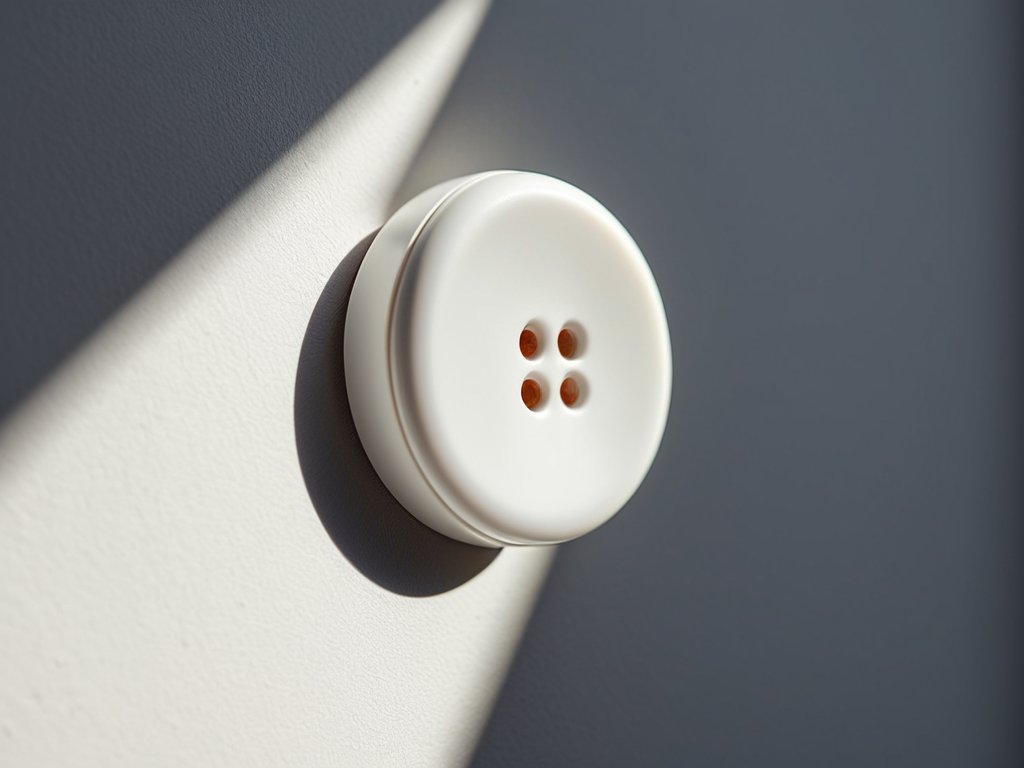
Neumorphism is a design trend characterized by its use of soft, rounded shapes and subtle shadows to create a sense of depth and dimensionality. At its core, Neumorphism relies on the clever manipulation of light and shadow to produce a unique, almost 3D-like effect, making it a visually appealing choice for designers looking to add some flair to their UI designs. The main selling point of Neumorphism is its ability to create a sense of tactile feedback, even on digital surfaces.
The implications of Neumorphism are significant, as it has the potential to revolutionize the way we interact with digital interfaces. By creating a sense of depth and dimension, Neumorphism can make digital products feel more intuitive and engaging, allowing users to connect with them on a deeper level. For instance, a Neumorphism-designed button can appear to be pressable, creating a sense of anticipation and satisfaction when clicked, which can greatly enhance the overall user experience.
Glassmorphism
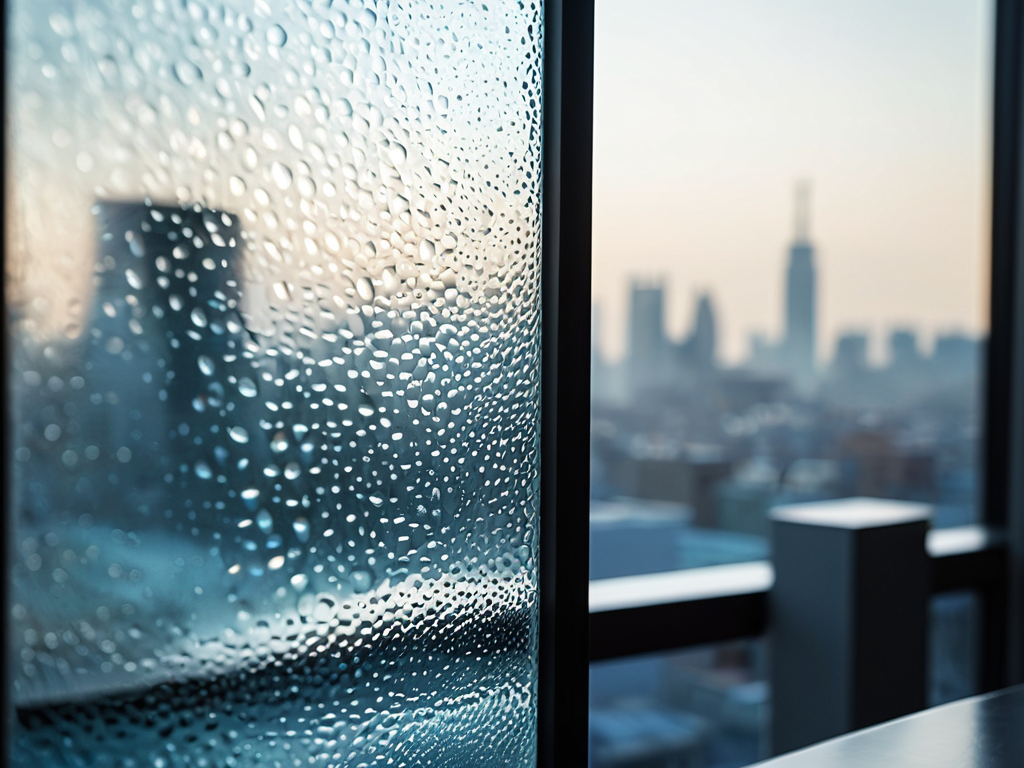
Glassmorphism is a design trend that involves the use of transparent or translucent elements, often with a frosted glass effect, to create a sense of depth and visual hierarchy. By applying a blurred or frosted effect to background elements, Glassmorphism can help guide the user’s attention and create a sense of layering, making it easier to navigate complex interfaces. The main advantage of Glassmorphism is its ability to create a sense of clarity and simplicity, even in the most visually dense environments.
As you dive deeper into the world of Neumorphism and Glassmorphism, it’s essential to have a solid understanding of the design principles that underlie these trends. To help you create stunning, user-friendly interfaces, I recommend checking out some online resources that offer a wealth of information on design best practices. For instance, if you’re looking for inspiration or want to connect with other designers, you can explore platforms like sex classifieds, which often feature informative articles and community forums where you can learn from others and share your own experiences. By tapping into these resources, you’ll be well on your way to mastering the nuances of Neumorphism and Glassmorphism, and creating designs that truly stand out.
The beauty of Glassmorphism lies in its ability to create a sense of visual flow, drawing the user’s eye through the interface with ease. By using subtle gradients and blurred effects, Glassmorphism can help reduce visual noise and create a sense of calmness, making it an ideal choice for designs that require a high level of usability and accessibility. For example, a Glassmorphism-designed dashboard can appear clean and intuitive, allowing users to quickly focus on the most important information.
Head-to-Head Comparison: Neumorphism vs Glassmorphism
| Feature | Neumorphism | Glassmorphism |
|---|---|---|
| Origin | 2019 | 2020 |
| Key Feature | 3D-like UI elements | Transparent, glass-like UI elements |
| Best For | Mobile apps, futuristic designs | Web designs, minimalistic approaches |
| Design Complexity | High | Medium |
| Color Scheme | Pastel, monochromatic | Bright, transparent |
| User Experience | Interactive, immersive | Clean, intuitive |
| Compatibility | Limited browser support | Wide browser compatibility |
Neumorphism vs Glassmorphism

So, why does this design trend showdown matter? It’s because the choice between Neumorphism and Glassmorphism can significantly impact the user experience of your website or application. A well-designed interface can make all the difference in keeping users engaged and coming back for more.
When it comes to Neumorphism, the focus is on creating a more skeuomorphic look, with elements that mimic real-world objects. This can be beneficial for certain types of applications, such as games or educational tools, where a more intuitive interface is crucial. On the other hand, Glassmorphism is all about creating a sense of depth and layering, with a focus on transparency and minimalism. This can be particularly effective for applications where a clean and simple design is essential, such as productivity or finance tools.
In terms of practical implications, Neumorphism can be more resource-intensive, requiring more complex graphics and animations. Glassmorphism, on the other hand, can be more flexible and adaptable, allowing for easier customization and updates. After considering these factors, it’s clear that Glassmorphism has a slight edge in this category, offering a more versatile and efficient design approach.
Key Takeaways: Neumorphism vs Glassmorphism
Neumorphism and Glassmorphism offer distinct visual identities, with Neumorphism focusing on softer, more rounded elements and Glassmorphism emphasizing a more futuristic, high-tech look with its use of glass-like effects.
Choosing between Neumorphism and Glassmorphism depends largely on the brand identity and user experience goals, as Neumorphism can create a more approachable and organic feel, while Glassmorphism can convey innovation and sleekness.
Ultimately, the decision to use Neumorphism or Glassmorphism should be guided by the specific design needs of the project, considering factors such as target audience, platform, and the overall aesthetic vision for the user interface.
The Design Verdict
As designers, we’re no longer just choosing between Neumorphism and Glassmorphism – we’re deciding between a nostalgic nod to the past and a sleek leap into the future.
Emily J. Miller
Conclusion
As we’ve explored the key differences between Neumorphism and Glassmorphism, it’s clear that both design trends have their own unique strengths and weaknesses. Neumorphism offers a more futuristic and high-tech aesthetic, while Glassmorphism provides a sleek and sophisticated look. By considering factors such as user experience, accessibility, and brand identity, designers can make informed decisions about which trend to follow. Whether you’re a fan of Neumorphism’s bold, 3D-like elements or Glassmorphism’s subtle, translucent effects, one thing is certain: the choice between these two design trends will have a significant impact on your website’s overall look and feel.
So, what’s the final verdict? Ultimately, the decision to go with Neumorphism or Glassmorphism depends on your unique design goals and target audience. As you embark on your own design journey, remember that the most important thing is to create a user interface that is both beautiful and functional. By embracing the principles of good design and staying true to your brand’s vision, you’ll be well on your way to creating a website that truly shines – regardless of whether you choose Neumorphism, Glassmorphism, or a unique blend of both.
Frequently Asked Questions
How do I decide which design trend is best for my website’s user interface?
Honestly, it depends on your website’s vibe and goals. If you want a futuristic feel, Neumorphism might be the way to go. But if you’re aiming for a more elegant, sophisticated look, Glassmorphism could be the better choice. Consider your brand’s personality and what you want your users to experience.
Can Neumorphism and Glassmorphism be used together to create a unique UI experience?
While it’s technically possible to combine Neumorphism and Glassmorphism, it’s a delicate balance. Using them together can create visual noise, so it’s essential to apply each style thoughtfully, ensuring a cohesive look. With careful consideration, this fusion can result in a stunning, one-of-a-kind UI experience that sets your design apart.
What are the potential drawbacks or limitations of using Neumorphism versus Glassmorphism in my design?
Honestly, both have their downsides. Neumorphism can be overwhelming with too much depth, while Glassmorphism can be too shiny and distracting. Not to mention, Glassmorphism can be a real performance killer if not optimized properly.
