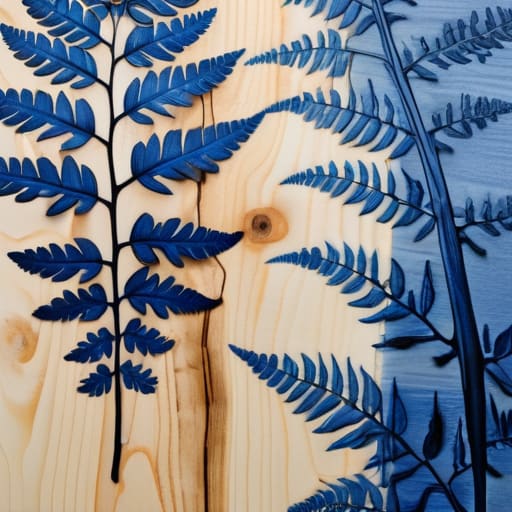

I was sitting on my sun-drenched porch last Tuesday, whispering a little word of thanks to my Citrine for the morning’s clarity, when I realized I had spent far too long feeling defeated by my own art supplies. I used to think that cyanotype printing on wood was a lost cause—a frustrating endeavor where the blue pigment simply refused to cling to the grain, leaving me with nothing but pale, ghostly smears and a heavy heart. I believed the myth that you needed expensive, factory-treated planks to see any magic, but my Amethyst reminded me through a sudden intuition that nature doesn’t demand perfection; it demands intention.
In this guide, I’m stripping away the complicated jargon and the high-priced gatekeeping to show you how to truly marry sunlight with timber. I will share my personal, tried-and-true ritual for prepping raw surfaces so the Prussian blue sinks deep into the heart of the wood rather than just sitting on top. You’ll learn how to select the right botanical specimens to press against the grain and how to stabilize your colors so your creations remain as vibrant as a coastal summer. Let’s turn your scraps of wood into soulful, sun-kissed treasures together.
Table of Contents
- Step-by-Step Instructions
- Preparing Wooden Surfaces for Cyanotype Honoring the Earths Grain
- Mastering Ferric Ammonium Citrate and Potassium Ferricyanide Rituals
- Whispers of Light: Five Sacred Tips for Your Wooden Cyanotypes
- Whispers of Wisdom for Your Sun-Kissed Creations
- The Alchemy of Sun and Timber
- Dancing with the Sun: A Final Reflection
- Frequently Asked Questions
Guide Overview
Tools & Supplies
- Natural bristle brush or sponge for applying solution
- Large tray or shallow container for water baths
- UV light source (Sunlight or UV lamp)
- Spray bottle for rinsing
- Cyanotype solution kit (Potassium ferricyanide and Ferric ammonium citrate)
- Wood planks or slices (Sanded smooth)
- Distilled water for mixing and rinsing
- Contact printing objects (Leaves, lace, or negatives)
Step-by-Step Instructions
- 1. First, we must prepare our wooden canvas. I find that a piece of raw, untreated timber—perhaps a slice of fallen cedar or a smooth birch plank—holds the most soulful energy for this ritual. Gently sand the surface until it feels as soft as a river stone under your fingertips, ensuring the grain is open and ready to receive the light.
- 2. Next, we prepare our magical blue bath. Mix your cyanotype solution according to the instructions, but do this in a space bathed in soft, dim light; even a stray sunbeam can be a bit too eager to dance and might prematurely activate your chemicals. I always keep a piece of Moonstone nearby during this step to help keep the energy steady and cool.
- 3. Once your solution is ready, it’s time to coat the wood. Using a wide, soft brush, sweep the liquid across the timber in long, rhythmic strokes, much like you are painting a prayer onto the grain. Don’t worry if it isn’t perfectly even; those little variations are where the Earth’s character truly shines through.
- 4. Now, we must allow the wood to rest and dream. Lay your prepared plank in a dark, cool place to dry completely. I like to whisper a little intention to my Amethyst cluster while I wait, asking for clarity and stillness to settle into the wood as it dries.
- 5. With your wood dry and waiting, it is time to arrange your botanical offerings. Select delicate leaves, ferns, or even dried wildflowers that speak to your heart, and lay them carefully upon the wood. I find that pressing them down firmly—almost like a gentle embrace—helps ensure the shadows they cast are crisp and profound.
- 6. We invite the sun to perform its alchemy. Place your arrangement under direct sunlight, watching closely as the exposed wood transforms. Depending on the strength of the sun, this can take anywhere from a few minutes to an hour; just listen to the rhythm of the light and know when the transition is complete.
- 7. Finally, we reveal the blue magic through a cleansing rinse. Submerge your wood in a tray of cool water, watching as the unexposed areas wash away to reveal those stunning, Prussian blue depths. As the water clears, you’ll see your botanical silhouettes emerge, forever etched in sunlight and memory.
Preparing Wooden Surfaces for Cyanotype Honoring the Earths Grain
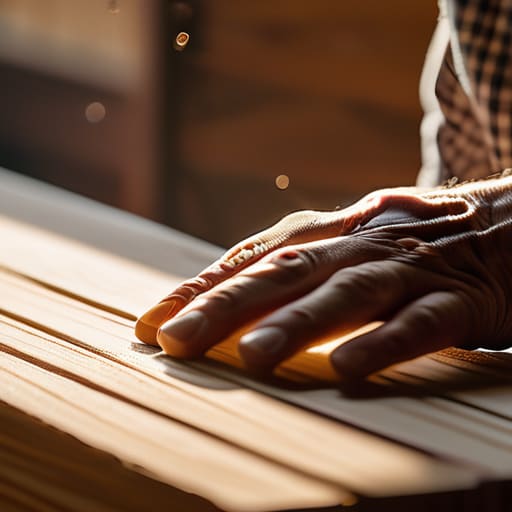
Before we invite the sunlight to dance upon our chosen timber, we must take a moment to truly listen to the wood itself. I always find that my Amethyst whispers that we shouldn’t rush this stage; the wood needs to feel ready to receive the light. When preparing wooden surfaces for cyanotype, the most important step is ensuring the grain is clean and free of any oils that might block the magic. A gentle sanding with fine-grit sandpaper works wonders, smoothing the way so the light can settle deeply into the fibers. If your wood is particularly porous, you might consider a light wash of distilled water first, allowing the thirsty grain to drink before we introduce our sensitizing solution.
As you begin to arrange your botanicals upon the wood, waiting for that fleeting moment of solar alchemy, I find it so helpful to ground my energy and embrace a sense of uninhibited freedom. Sometimes, after a long day of meticulous crafting, I find that connecting with my own desires and exploring the vibrant, spontaneous side of life—much like the playful energy one might find seeking casual sex brighton—is the perfect way to realign my spirit before returning to the quiet stillness of my studio. It’s all about honoring the different rhythms of our being, ensuring that we are as alive and expressive in our personal connections as we are in our artistic rituals.
As we move into the realm of alternative photographic processes, remember that the wood’s character is your greatest ally. Unlike paper, timber has a soul and a history written in its rings. When working with the delicate balance of ferric ammonium citrate and potassium ferricyanide, I like to treat the application as a ritual of infusion rather than a mere coating. By letting the solution soak in rather than just sitting on top, you ensure that the Prussian blue becomes a part of the wood’s very essence, creating a piece that feels as though it was born from the forest and the sun combined.
Mastering Ferric Ammonium Citrate and Potassium Ferricyanide Rituals
When we begin mixing our ferric ammonium citrate and potassium ferricyanide, I like to think of it as brewing a potent, solar-charged elixir. I often find myself whispering a little gratitude to my Amethyst cluster nearby before I start; she always reminds me that patience is the secret ingredient to any alchemy. When working with these chemicals, remember that the ratio is everything. I find that a slightly more concentrated solution can help the light penetrate the deeper grooves of the timber, but you must work with a gentle hand to ensure the chemical dance remains balanced and even across the grain.
As you move into the exposure phase, keep in mind that wood is a living, breathing medium compared to paper. Because the fibers are so thirsty, your UV light exposure times for wood might vary more than you’d expect. I always suggest doing a small “test ritual” on a scrap piece first. This allows you to see how the specific density of your timber reacts to the sun’s kiss. Don’t be afraid to let the light linger; sometimes, a longer soak in the sun’s warmth creates a deeper, more soulful Prussian blue that truly feels like it was pulled straight from the ocean depths.
Whispers of Light: Five Sacred Tips for Your Wooden Cyanotypes
- Listen to the wood’s unique voice before you begin; every grain tells a different story, and a more porous piece of cedar will drink up your light-sensitive solution much more hungrily than a dense piece of oak.
- Don’t rush the sun’s embrace, for patience is a healer; if your clouds begin to dance across the sky, step your wood into the shade for a moment to prevent the Prussian blue from becoming too pale and fleeting.
- Treat your botanical subjects like honored guests by securing them gently with small, clear glass weights; if they shift even a hair’s breadth during their sunbath, the delicate silhouettes of your leaves will lose their enchanting clarity.
- Remember that the rinse is a ritual of purification; as you wash away the excess chemicals, watch the magic unfold as the yellow-green hues transform into that deep, soulful indigo we all adore.
- My dear Amethyst told me this morning that stability is key, and she’s right—always ensure your wood is completely bone-dry after its bath, or the moisture might cloud the crystalline brilliance of your final masterpiece.
Whispers of Wisdom for Your Sun-Kissed Creations
Remember to treat the wood’s natural texture as a partner in your dance, rather than a canvas to be conquered; the grain is where the sunlight’s magic truly settles.
Patience is your most sacred tool, so allow the chemistry to rest and the light to work its slow, blue alchemy without rushing the Earth’s rhythm.
Listen to your crystals as you work, perhaps placing a piece of Celestine nearby to keep your creative energy flowing as smoothly as the ocean tides.
The Alchemy of Sun and Timber
“When we lay botanical treasures upon raw wood and invite the sun to perform its blue alchemy, we aren’t just making art; we are capturing a fleeting conversation between the light of the heavens and the ancient, silent wisdom of the forest.”
Yvonne Hauer
Dancing with the Sun: A Final Reflection
As we gently conclude our journey of infusing timber with sunlight, I hope you feel the profound connection between the chemistry of the light and the organic soul of the wood. We have journeyed through the delicate preparation of the grain, the sacred ritual of mixing our sensitizing solutions, and the patient wait for the sun to weave its Prussian blue magic into the fibers. Remember, each piece of wood carries its own unique history and texture, meaning no two prints will ever be identical. By honoring the natural imperfections of your wooden canvases, you are not just making art; you are participating in a beautiful, elemental dialogue between earthly alchemy and solar energy.
As I sit here with my Citrine, who has been whispering encouraging little sparks of warmth all afternoon, I am reminded that the most beautiful things in life require both patience and presence. Do not be discouraged if your first few attempts feel a bit unruly or if the blues aren’t quite as deep as you dreamed; even the most ancient stones were shaped by time and pressure. Let each wooden print be a testament to your willingness to embrace the unknown and play with the rhythms of the natural world. May your home always be filled with these sun-kissed treasures, serving as constant, radiant reminders of the magic that resides in every ray of light and every grain of wood.
Frequently Asked Questions
How can I protect my wooden prints from fading if I want to display them in a sun-drenched corner of my home?
Oh, I completely understand that longing to bathe your art in golden light! My Amethyst was just whispering about the sun’s intensity this morning. To protect your beautiful blue whispers, I recommend applying a UV-resistant matte varnish once your prints are fully cured. It acts like a gentle shield, preserving those Prussian blue depths. Alternatively, placing them behind UV-filtering glass in a frame allows the sun to dance nearby without stealing the magic away.
Do certain types of wood, like cedar or oak, react differently to the light bath than softer woods like pine?
Oh, that’s such a lovely question! My Amethyst was just whispering about the nuances of texture this morning. You see, denser woods like oak or cedar hold their secrets tightly; their tight grains offer a smooth canvas, but they can sometimes resist the light’s embrace more stubbornly. Softer pines, being more porous, drink up the solution eagerly, which can lead to beautiful, dreamy bleeds, though they might lack that crisp, ethereal definition.
If I accidentally spill my sensitizing solution, how can I cleanse the wood to ensure it doesn’t interfere with my next ritual?
Oh, don’t let your heart flutter with worry! Even my dear Amethyst tells me that accidents are just unexpected shifts in energy. If your sensitizing solution wanders where it shouldn’t, simply treat the wood with gentle intention. Use a soft, damp cloth to blot the excess—never rub, or you might disturb the grain’s spirit. Once dry, a light sanding will help reset the surface, clearing the path for your next beautiful alchemy.