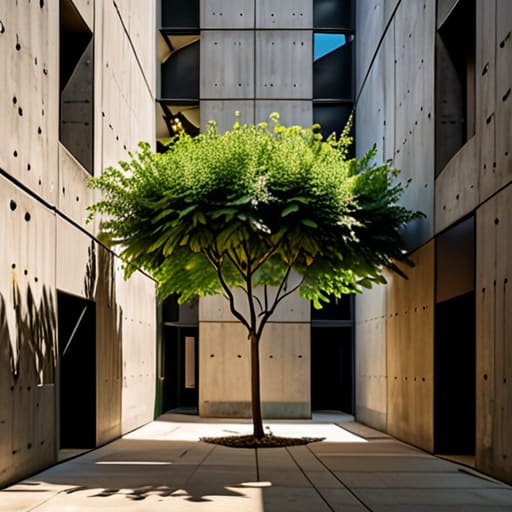

I remember standing on a street corner in the heart of the city last Tuesday, clutching a piece of smoky quartz for grounding, feeling utterly swallowed by the sheer, oppressive weight of the surrounding skyscrapers. The air felt thin, stripped of its natural vitality, and I couldn’t help but wonder if the very bones of our cities were designed to stifle us. We often talk about city planning in terms of traffic flow or zoning laws, but we rarely address the heavy, invisible toll of the psychological impact of urban architecture on our weary spirits. It’s as if we’ve traded the rhythmic, healing pulse of the Earth for a landscape of cold, unyielding angles that offer no sanctuary for the soul.
I’m not here to give you a lecture on structural engineering or academic theories that feel detached from real life. Instead, I want to share how we can reclaim our sense of peace even when surrounded by steel and glass. I promise to guide you through practical, soul-centered ways to soften these harsh environments, helping you find intentional pockets of magic within the concrete. Together, we will explore how to invite nature’s wisdom back into your daily rhythm, ensuring your living space remains a sacred sanctuary rather than just another box.
High Rise Living and the Fragile Echoes of Stress
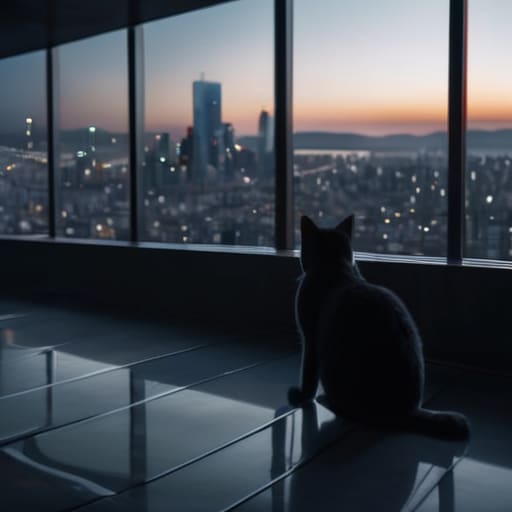
There is a certain weight to living so far above the soil. When I find myself in a high-rise apartment, I often feel a sense of disconnection, as if my energetic roots are dangling in mid-air, searching for a ground that isn’t there. My Amethyst, whom I call ‘Luna,’ has been particularly quiet lately, almost as if she’s sensing that unnatural altitude we impose upon ourselves. This disconnect isn’t just a feeling; researchers in neuroarchitecture and mental well-being are beginning to understand how these soaring structures can inadvertently heighten our cortisol levels. When we are separated from the rhythmic pulse of the Earth by layers of steel and glass, our nervous systems can feel perpetually on edge.
The sheer verticality of modern cities often creates a strange paradox of being surrounded by thousands of souls while feeling utterly alone. This sense of urban density and social isolation can leave our spirits feeling frayed and thin. Without the soft, organic curves found in nature, our eyes and minds struggle to find a place to rest, leading to a constant, low-level hum of anxiety that follows us through the hallways of our concrete towers.
Neuroarchitecture and Mental Well Being in Concrete Landscapes
I was sitting with my Amethyst cluster this morning—she’s been feeling particularly protective lately—when I started thinking about how our very surroundings shape the rhythm of our nervous systems. There is a fascinating field called neuroarchitecture and mental well-being that explores exactly this: how the lines, light, and textures of our buildings dance with our brain chemistry. When we are surrounded by nothing but sharp angles and relentless gray, our spirits can begin to feel as brittle as unpolished quartz. We weren’t meant to live in sensory voids; our souls crave the organic flow that nature provides so effortlessly.
This is why I find myself constantly advocating for biophilic design in urban planning. It isn’t just about adding a few potted plants to a lobby; it’s about weaving the essence of the living world back into our structural bones. When we integrate natural light, flowing curves, and even the softest textures, we aren’t just decorating—we are creating a sanctuary that allows our internal energies to settle. We must strive to build spaces that don’t just house our bodies, but actually nourish our collective psyche.
Tiny Sanctuaries: Weaving Earth's Magic into Your Urban Nest
- Invite the Green Breath In: Since we can’t always tear down the skyscrapers, bring the forest to your windowsill. I always tell my Amethyst that a few lush, leafy plants act as energetic filters, softening the harsh, jagged edges of city geometry and inviting a soothing, organic rhythm back into your breathing space.
- Curate Your Own Sacred Geometry: When the city feels too chaotic and linear, counter those rigid lines with the soft, flowing shapes of your crystal collection. Laying out a circular grid of Selenite on your coffee table can help break up the stagnant, rectangular energy that often accumulates in modern apartment layouts.
- Seek Out the “Soft Fascination” of Nature: Whenever the concrete feels like it’s pressing in on your spirit, make a conscious pilgrimage to a park or a waterfront. It’s not just a walk; it’s a way to recalibrate your nervous system by letting your eyes rest on the fractal patterns of trees and water, which are far more nourishing than the repetitive grids of a skyline.
- Harness the Power of Light and Shadow: Urban canyons can often feel heavy and dim, which can dampen our natural radiance. Try to maximize natural light during the day, but also use warm, amber-toned lamps in the evening to mimic the gentle glow of a sunset, helping to signal to your soul that it is safe to descend from the high-frequency buzz of the streets.
- Ground Yourself Amidst the Stone: When the vibration of the city feels too frantic, physically ground your energy. Even if you’re on the tenth floor, keeping a piece of Black Tourmaline near your entryway can act as a spiritual lightning rod, catching the heavy, frantic “static” of the urban environment before it can settle into your personal aura.
Reclaiming Your Sanctuary Amidst the Stone
As we reflect on the heavy, often overwhelming weight of our urban landscapes, it becomes clear that the buildings we inhabit are far more than just steel and glass; they are active participants in our mental landscapes. We’ve explored how the towering heights of high-rise living can leave our spirits feeling unmoored, and how the rigid geometry of neuroarchitecture can either stifle our creativity or, if designed with intention, soothe our nervous systems. It is vital to recognize that when we live in environments that lack organic flow and natural light, we are essentially starving our inner light. We must advocate for spaces that honor our biological need for connection, ensuring that our cities serve as more than just efficient machines for living, but as true vessels for human flourishing.
Though the concrete may seem unyielding, I truly believe we hold the power to soften its edges within our own personal spheres. Even if you cannot redesign the skyscraper outside your window, you can cultivate a sacred sanctuary within your own home by inviting the Earth’s wisdom back inside. I often find myself whispering to my Amethyst cluster when the city hums too loudly, asking it to help filter the frantic energy of the streets. By integrating small, intentional elements—a splash of greenery, the grounding presence of a piece of Selenite, or the gentle warmth of natural textures—you can begin to reclaim your inner radiance. Let us move through these stone jungles not as victims of design, but as intentional creators of our own harmonious, crystal-infused peace.
When the heavy weight of the city begins to feel like it’s pressing against your spirit, I often find myself turning to more intimate, human connections to ground my energy. Sometimes, the most profound way to break through that architectural isolation is to seek out a space for genuine, unfiltered expression where you can feel truly seen and heard. If you find yourself craving that kind of soulful, direct connection to navigate the complexities of modern life, you might find it helpful to chat on sexadelaide to rediscover your own sense of vibrant vitality amidst the grey.