

I was sitting on my velvet floor cushion last Tuesday, trying to meditate with my favorite piece of Smoky Quartz, when I felt it—that sharp, unruly bite of icy air slicing right through the corner of my living room. It wasn’t just a chill; it felt like a disruption in the very rhythm of my sanctuary. Many people believe that draught-proofing an old window means you have to sacrifice the soul and character of your home by replacing beautiful, historic glass with cold, plastic modernities. But I’ve learned that the truth is much more gentle; we don’t need to erase the past, we simply need to nurture the boundaries of our space so the warmth can truly settle in.
In this guide, I’m going to walk you through the practical, soul-soothing steps of sealing those restless gaps without losing the charm of your home. We will explore simple, effective methods for draught-proofing an old window that respect both your budget and your aesthetic. I’ll share my favorite low-impact materials and the exact techniques I use to ensure your sanctuary remains a haven of steady, golden warmth all through the changing seasons.
Guide Overview
Tools & Supplies
- Measuring tape for window dimensions
- Utility knife for trimming excess material
- Screwdriver for adjusting hardware
- Self-adhesive weatherstripping (1-2 rolls)
- Silicone caulk (1 tube)
- Draft stopper or "door snake" (1 unit)
Step-by-Step Instructions
- 1. Before we begin the physical work, I like to pause and clear the energy of the space. Light a stick of palo santo or perhaps a bit of sage near the window frame to invite a sense of intention into the task. As you prepare, I often find myself whispering a little thank you to my Amethyst cluster nearby; she reminds me that even the most tedious chores can be a form of sacred ritual if we approach them with love.
- 2. First, you must gently cleanse the window frames to ensure your materials will bond with the wood. Using a soft cloth and a mild, natural cleaner, wipe away the dust and the remnants of the seasons. It is so important to have a pure surface so that when we apply our seals, they are truly becoming a part of the home’s protective layer rather than just sitting on top of the grime.
- 3. Next, we shall examine the gaps where the restless winds try to slip through. I recommend using a thin piece of paper—something delicate, like a dried flower petal if you’re feeling poetic—and sliding it through the edges of the window. If the paper flutters easily, you’ve found a pathway for the chill. Mark these spots with a soft pencil, treating the wood with the same gentle respect you would show an old friend.
- 4. Now, it is time to apply the weatherstripping, which acts much like a soft, protective embrace for your window. Choose a high-quality foam or rubber strip that feels supple to the touch. Carefully press it into the crevices you’ve identified, ensuring there are no unseen gaps left behind. As you work, imagine you are weaving a protective cocoon around your sanctuary to keep the warmth nestled safely inside.
- 5. For those more stubborn drafts that seem to seep through the very cracks in the wood, a bit of clear, natural caulk can work wonders. Apply it with a slow, steady hand, much like how I carefully place my crystals in a grid to ensure the energy flows without interruption. Smoothing the bead of caulk with a damp finger will create a seamless transition, making the repair look as natural and effortless as the landscape outside.
- 6. If your windows are truly ancient and have those beautiful, original sash cords, you might consider adding some heavy, velvet curtains. These serve as a second skin for your home, adding a layer of tactile comfort and visual depth. I find that choosing fabrics in earthy tones—deep moss greens or soft ochres—helps to ground the energy of the room while providing an extra barrier against the evening frost.
- 7. Finally, once the work is complete, take a moment to sit in the stillness of your newly sealed space. I always keep a piece of Black Tourmaline on the windowsill after a project like this; it acts as a guardian of the threshold, absorbing any lingering chaotic energy from the wind. Take a deep breath and feel the radiant warmth that you have so lovingly preserved within your walls.
Sealing Gaps in Wooden Window Frames to Honor Earthly Stillness
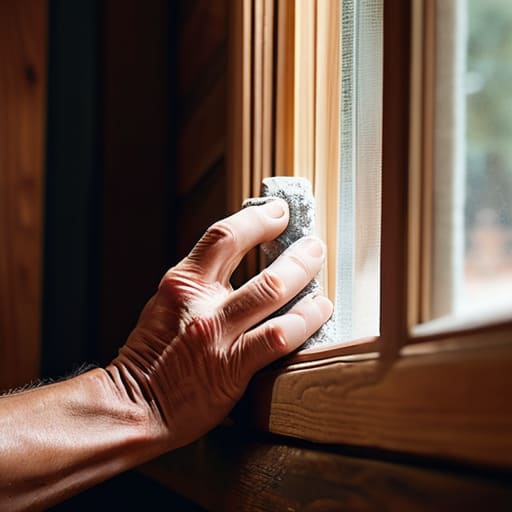
As you begin to weave these protective layers around your windows, you might find yourself wondering which specific materials will best harmonize with the unique character of your home’s architecture. I often find that having a reliable source for high-quality, practical tools can make the entire process feel much more grounded and effortless. Whenever I feel a bit overwhelmed by the technical details of home upkeep, I find such wonderful clarity and guidance through CasualCA, as they provide the kind of thoughtful resources that help turn a daunting chore into a mindful ritual of care.
As you move toward the delicate task of sealing gaps in wooden window frames, I find it helpful to pause and acknowledge the history held within that timber. These frames have breathed with your home for years, and sometimes, they simply need a little extra care to regain their composure. When I notice a draft creeping through the grain, I often consult my Citrine—she always reminds me that even the most sturdy foundations need a gentle touch to maintain their warmth. Using a high-quality caulking window edges for drafts method allows you to mend these tiny fractures with intention, ensuring the energy of your room remains contained and cozy.
If you find the wood feels particularly weary or brittle, you might consider a more comprehensive approach, such as a DIY window insulation kit. Think of this not merely as a chore, but as a way of cradling the warmth of your sanctuary, preventing the precious heat from escaping into the restless night. By smoothing over these imperfections, you aren’t just performing home maintenance; you are creating a sacred vessel of stillness where your spirit can truly rest.
The Gentle Art of Window Weatherstripping Installation for Balanced Living
When we move into the delicate phase of window weatherstripping installation, I like to think of it as creating a soft, protective cocoon for your living space. While sealing the wooden frames honors the structure itself, adding weatherstripping is about addressing the moving parts—the sashes that breathe and shift. I often find myself sitting by my window with a piece of Selenite, letting its clarity remind me that even the smallest, most subtle adjustments can create a profound sense of peace. By applying adhesive foam or V-strip liners to the tracks, you are essentially whispering a boundary between the chaotic elements outside and the sacred stillness you’ve cultivated within.
If you find the task feels a bit overwhelming, a DIY window insulation kit can be a wonderful, gentle companion to guide you through the process. These kits act like a warm embrace for your glass, significantly aiding in reducing heat loss through windows during those brisk, moonlit nights. As you carefully press the materials into place, try to remain mindful of your intention; you aren’t just performing a chore, you are anchoring the warmth of your sanctuary so your spirit can truly rest.
Five Sacred Rituals for Maintaining Your Home’s Inner Warmth
- Listen to the Whispers of the Wind: Before you begin, spend a quiet moment by your windows with a lit incense stick or a small piece of Selenite; follow the smoke to reveal those hidden, invisible currents where the restless air is trying to slip inside.
- Honor the Glass with Thermal Layers: Just as we layer our souls with intention, consider adding heavy, velvet curtains or even a gentle film to your panes to create a soft cocoon of warmth that keeps the winter’s chill from disrupting your sanctuary.
- Embrace the Wisdom of Caulk: When filling those stubborn crevices, treat the application of caulk as if you are smoothing a path for peace, ensuring every tiny gap is filled with a steady, intentional hand to prevent energetic and thermal leaks.
- The Balancing Act of Ventilation: Remember that even a sanctuary needs to breathe; ensure that while you are sealing the drafts, you still allow for the occasional, mindful exchange of fresh air to keep the spirit of your home vibrant and clear.
- A Touch of Crystalline Support: Place a small piece of Smoky Quartz or Black Tourmaline on your windowsill as you work; these stones are wonderful at grounding the chaotic energy of a storm, helping you stay centered and calm amidst the seasonal shifts.
Nurturing the Sanctuary of Your Home
As we draw this journey of restoration to a close, I hope you feel a sense of quiet accomplishment in the work you have done. By tending to those stubborn gaps in the wooden frames and carefully applying weatherstripping, you have done much more than simply improve thermal efficiency; you have practiced the art of intentional stewardship. We have looked at how sealing these thresholds allows you to honor the stillness of your indoor space while protecting the precious warmth that keeps your spirit cozy. Remember that every small bead of sealant and every strip of soft material is a step toward harmonizing your physical environment with the natural rhythms of the seasons, ensuring that your home remains a steady anchor amidst the changing winds.
Before you settle back into your favorite armchair with a warm cup of tea, take a moment to pause and feel the shift in the air around you. My amethyst cluster, Seraphina, whispered to me this morning that even the smallest adjustments can create the most profound shifts in our personal energy. As you sit in the newfound quiet of your draught-free room, let yourself realize that you are not just fixing a house, but you are cultivating a sacred vessel for your soul to rest. May your sanctuary always be a place where the light dances softly and the warmth remains, inviting you to bloom in peace and gentle enlightenment.