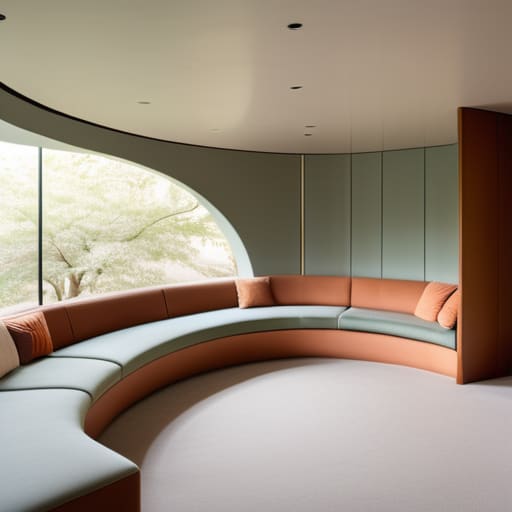

I still remember sitting in that “open-concept” office, staring at the flickering fluorescent light above my desk while the rhythmic thwack-thwack of a colleague’s mechanical keyboard felt like a hammer hitting my skull. I wasn’t being dramatic; I was physically unable to process the data in front of me because my environment was a sensory minefield. It’s a frustrating reality that most corporate “wellness” seminars completely ignore: you can’t just offer a meditation app and call it a day. If we want to talk about real accessibility, we have to stop treating neuro-inclusive sensory boundaries as a luxury or a “nice-to-have” perk and start seeing them as the fundamental baseline for any functional workspace.
Look, I’m not here to sell you on some expensive, high-tech sensory room or a fleet of designer noise-canceling headphones. I’ve been in the trenches, and I know that real change is often much simpler—and much more human—than the consultants make it out to be. In this post, I’m going to give you the no-nonsense truth about how to actually implement these boundaries without breaking the bank or making things awkward. We’re going to skip the fluff and focus on practical, lived experience that actually works for neurodivergent brains.
Table of Contents
Visual Clutter and Cognitive Load the Invisible Mental Drain

Ever walked into a room and felt an immediate, unexplained sense of anxiety? For many of us, that’s not just “stress”—it’s your brain struggling to filter out a chaotic environment. When every surface is covered in loose papers, tangled cords, or bright, mismatched decor, your brain doesn’t just see “mess.” It sees a series of unresolved tasks. This connection between visual clutter and cognitive load is real; your mind is constantly trying to process every stray object in your field of vision, leaving you with zero mental bandwidth for actual work.
It’s also worth remembering that sensory regulation isn’t just about the physical space around you; it’s about the social energy you expend while navigating it. Sometimes, the sheer effort of managing environmental triggers can leave you feeling socially burnt out or isolated. If you find yourself needing a low-pressure way to connect with others without the overwhelming sensory demands of a physical meetup, checking out something like adult uk chat can be a game-changer for maintaining social connection on your own terms. It’s all about finding those small, controlled ways to engage that don’t leave you feeling completely drained by sunset.
It’s an exhausting, silent drain on your energy. If you’re navigating a space that feels “too much,” it might be time to look into low-stimulation interior design principles to reclaim your focus. This isn’t about being a minimalist or living in a sterile white box; it’s about intentionality. By clearing the visual noise and prioritizing open surfaces, you aren’t just tidying up—you are actively reducing the friction between your brain and your environment.
Low Stimulation Interior Design Principles for Sanity
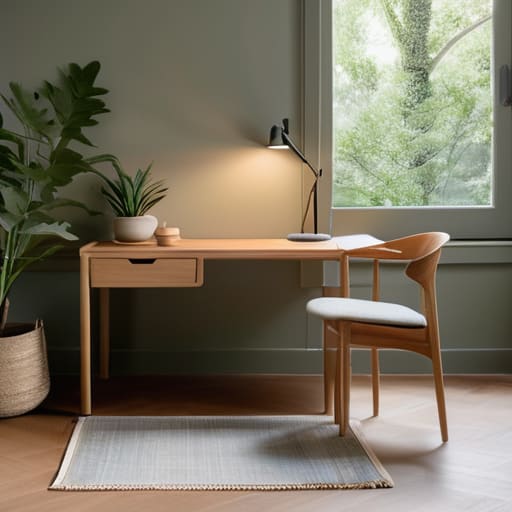
When we talk about low-stimulation interior design principles, we aren’t just talking about minimalism or “sad beige” aesthetics. It’s not about stripping the soul out of your space; it’s about intentionality. For someone navigating sensory processing disorder environmental design, every single object in your line of sight is a tiny demand on your attention. If your desk is surrounded by a chaotic mix of bright colors and mismatched textures, your brain is constantly working overtime just to filter out the noise. We need to design for cognitive ease, choosing a palette that feels grounded rather than demanding.
It’s also about reclaiming control over your immediate surroundings through smarter neurodivergent spatial organization. This means creating “zones” that serve a specific purpose. If you’re working from home, you need a dedicated area where you can focus on reducing auditory triggers in home office setups—think heavy curtains to dampen street noise or soft rugs to kill that annoying echo. By creating these predictable, low-impact pockets within your home, you aren’t just decorating; you are building a sanctuary that actually supports your nervous system instead of constantly attacking it.
Small Shifts, Big Impact: 5 Ways to Actually Make Space Work
- Stop the “Open Office” madness. If you can’t knock down walls, use acoustic dividers or even just high-backed chairs to create literal physical zones where people can retreat when the noise floor gets too high.
- Give people the “Right to Dim.” Not everyone thrives under buzzing fluorescent tubes; make it standard practice to have dimmable lighting or, at the very least, ensure every desk has access to a small, warm lamp.
- Implement a “Silent Zone” protocol. Designate specific areas or even specific hours of the day where talking is strictly off-limits, giving those who need deep focus a predictable way to avoid unexpected auditory spikes.
- Audit your scent landscape. We often forget that heavy perfumes or strong cleaning chemicals are sensory landmines; moving toward unscented or lightly scented environments is a massive win for neurodivergent comfort.
- Normalize the use of “Sensory Gear.” Stop treating noise-canceling headphones or fidget tools like distractions; instead, treat them as essential pieces of professional equipment that everyone is allowed to use without explanation.
The Bottom Line: Small Shifts, Big Impact
Stop treating sensory needs like a “nice-to-have” luxury; they are fundamental to how people actually function and process information.
Focus on reducing the invisible friction—like harsh lighting or visual noise—that drains mental energy before a single task even begins.
Aim for intentionality over perfection; you don’t need a complete remodel, just a conscious effort to create spaces that respect different neurological rhythms.
## The Cost of Constant Noise
“True inclusion isn’t just about adding a ramp at the front door; it’s about realizing that for many people, a flickering fluorescent light or a chaotic open-office layout is just as much of a barrier as a flight of stairs.”
Writer
Beyond the Blueprint
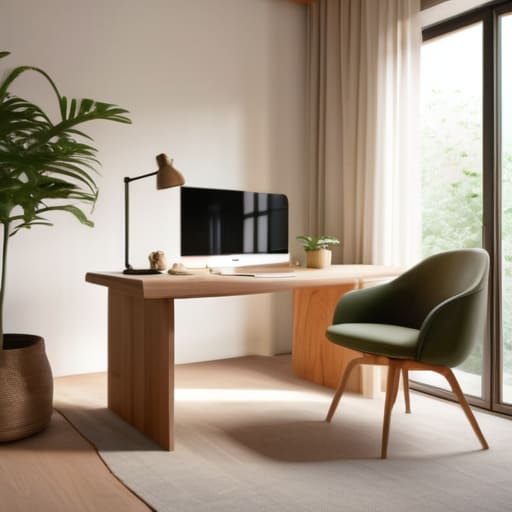
At the end of the day, creating a neuro-inclusive space isn’t about following a rigid checklist or buying expensive, minimalist furniture. It’s about recognizing that the environment we inhabit is constantly talking to our nervous systems. We’ve looked at how visual clutter can act as a silent thief of focus and how intentional, low-stimulation design can provide the breathing room that so many of us desperately need. By prioritizing sensory intentionality over mere aesthetics, we stop treating neurodivergence as an afterthought and start building spaces that actually work with the brain instead of against it.
Moving forward, I want to challenge you to look at your own surroundings through a different lens. Don’t just see a room; see a collection of inputs that can either soothe or overwhelm. When we take the time to adjust the lighting, dampen the noise, or clear the mental fog of a chaotic workspace, we aren’t just “decorating.” We are practicing a fundamental form of respect for how people actually experience the world. Let’s stop trying to force everyone into a one-size-fits-all environment and start building a world that is truly accessible to every kind of mind.
Frequently Asked Questions
How do I balance making a space neuro-inclusive without it feeling cold, sterile, or uninviting to everyone else?
Think of it like this: neuro-inclusion isn’t about stripping a room bare; it’s about intentionality. You don’t need a white-walled hospital wing to be inclusive. Instead of “sterile,” aim for “calm.” Swap harsh fluorescent lights for warm, dimmable lamps, and replace chaotic patterns with soft textures. When you prioritize soothing colors and organized zones, you aren’t just helping neurodivergent folks—you’re creating a cozy, grounded space that everyone actually wants to hang out in.
What are some low-cost or immediate fixes for sensory overload if I can't afford a full interior redesign?
Look, I get it. Most of us aren’t dropping five grand on a designer to fix our sensory issues. If a full redesign isn’t in the cards, start small. Grab some cheap noise-canceling headphones or even just some soft earplugs. Swap out those harsh overhead bulbs for a warm lamp, and if a corner is driving you crazy, just throw a simple cloth over the clutter. It’s about quick wins that lower the volume on the world.
How do we handle "sensory friction" in shared spaces where different people have conflicting needs, like someone needing silence while another needs background music?
This is where things get messy. You can’t please everyone at once, so stop trying to find a “middle ground” that actually leaves everyone frustrated. Instead, lean into zoning. Create high-stimulus hubs for collaboration and music, but protect “sensory sanctuaries”—quiet, dim, low-traffic zones where silence is the rule. It’s not about compromise; it’s about providing options so people can choose the environment that actually lets their brain function.
