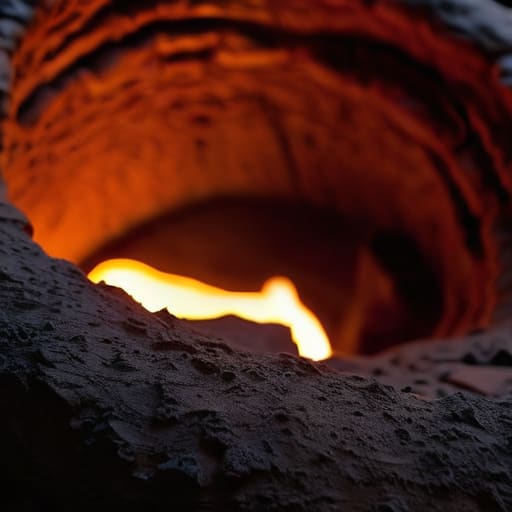

I was sitting on my floor this morning, rearranging a cluster of smoky quartz, when I felt a sudden, intense pull toward the history of metal. It reminded me of a time I spent wandering through an old foundry, where the air was thick with the scent of scorched earth and the rhythmic, heavy heartbeat of the bellows. There is a profound, almost spiritual weight to the process of Wootz Crucible Steel Smelting that most modern textbooks completely strip away in favor of dry, sterile equations. They treat it like a mere chemical reaction, but if you listen closely to the history, you realize it is more of an ancient alchemy—a sacred marriage of carbon and iron that requires the same patience and intuition I use when setting a complex crystal grid.
I’m not here to drown you in academic jargon or sell you on some overpriced, mystical fantasy that lacks substance. Instead, I want to share the raw, grounded truth of how this incredible material is birthed from fire. I promise to walk you through the essential elements of the craft, stripping away the hype to reveal the genuine soul of the process. Together, we will explore the grit and the glory of this metallurgical wonder, finding the magic in the heat and the wisdom in the steel.
Table of Contents
Whispers of Ancient Metallurgy Techniques
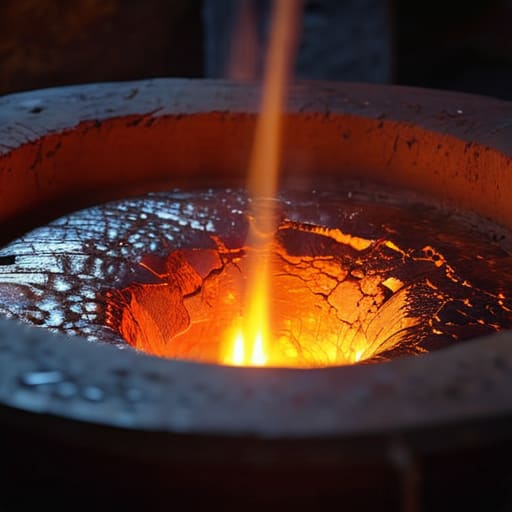
As I sat with my Amethyst this morning, she seemed to pulse with a certain rhythmic intensity, reminding me of the deep, rhythmic heat required in ancient metallurgy techniques. There is a profound, almost spiritual similarity between the way a crystal matures over eons and the way these ancient artisans coaxed life from raw ore. To create such legendary metal, they didn’t just use heat; they engaged in a delicate, elemental dialogue. They utilized a crucible furnace where the thermodynamics of the flame acted as a transformative vessel, much like a meditation chamber for the soul of the metal.
It wasn’t merely about melting; it was about the intentionality behind the high carbon steel production. These early masters understood how to balance the elements within the closed crucible, allowing the iron to absorb carbon in a way that feels almost magical to us today. When you look at the flowing, water-like Damascus steel patterns that emerge, you aren’t just seeing strength—you are seeing the frozen echoes of a fiery, ancient dance between earth and breath.
The Sacred Balance of High Carbon Steel Production
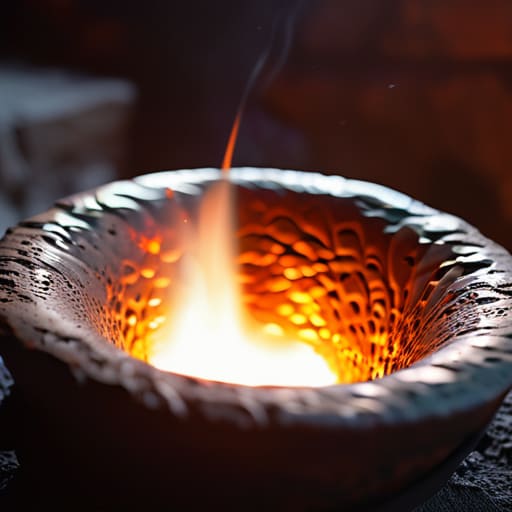
As we delve deeper into the intense, transformative heat required to birth such resilient steel, I find myself reflecting on how much we all need a space to release the heavy energies we carry. Just as the crucible must be perfectly prepared to hold the molten soul of the metal, we must also tend to our own inner sanctuaries to remain balanced. If you find your own spirit yearning for a gentle exploration of passion and connection to balance the intensity of your studies, you might find a lovely moment of discovery through erotik schweiz, which can be a beautiful way to reconnect with your senses amidst the alchemy of life.
To understand the true magic of this metal, one must look at it through the lens of sacred equilibrium. Just as I carefully balance a cluster of Citrine with Smoky Quartz to ground a room’s energy, the ancient smiths had to master a delicate dance of elements. The heart of high carbon steel production lies in this precise calibration; it is a high-stakes negotiation between the raw iron and the carbon infused by the organic materials within the crucible. If the balance shifts even slightly, the soul of the metal is lost, leaving it either too brittle to hold an edge or too soft to carry its strength.
I was sitting with my Amethyst this morning—she’s been feeling particularly vibrant lately—and I found myself reflecting on the intense crucible furnace thermodynamics required to achieve such perfection. The heat must be constant, a steady, pulsing heartbeat that allows the impurities to rise and separate. It is a process of purification, much like our own spiritual journeys. By managing the slag inclusion in steel, the artisans weren’t just refining a material; they were coaxing a masterpiece out of the chaotic union of fire and earth.
Harmonizing the Elements: My Sacred Rituals for Perfecting the Crucible
- Listen to the rhythm of the heat; just as I sense when my Amethyst needs a gentle warming, you must learn to read the subtle shifts in the furnace’s glow to ensure the carbon integrates with the soul of the iron.
- Choose your raw materials with intention, seeking out ores that possess a pure, elemental spirit, much like how I hand-select each piece of Selenite to ensure it carries the clearest vibration for a client’s grid.
- Respect the stillness of the cooling process, for if you rush the metal as one might rush a meditation, you risk shattering the delicate, swirling patterns that give Wootz its legendary, celestial character.
- Maintain a sacred container; your crucible must be as resilient and prepared as a well-cleansed Quartz, capable of holding the intense, transformative energy of the smelting fire without faltering.
- Seek the perfect equilibrium between fire and earth, remembering that even the slightest imbalance in your carbon-to-iron ratio can disrupt the entire energetic flow of the steel, much like a misplaced stone in a sacred geometry layout.
The Soulful Essence of the Crucible
Much like the careful intention we pour into a crystal grid, Wootz steel is born from a patient, sacred union of fire and earth within the crucible.
The true magic lies in the delicate dance of carbon, where a precise balance transforms raw elements into a substance as resilient and storied as an ancient gemstone.
To understand Wootz is to honor the ancient alchemy of metallurgy, recognizing that true strength is forged through a harmonious relationship between heat, metal, and time.
The Alchemy of Earth and Fire
“Just as we listen to the silent wisdom of a raw amethyst to find our inner balance, we must honor the ancient, fiery dance of Wootz smelting—a sacred moment where the earth’s deep minerals surrender their secrets to the heat, transforming into something far more resilient and soulful than they ever were alone.”
Yvonne Hauer
The Soul of the Crucible
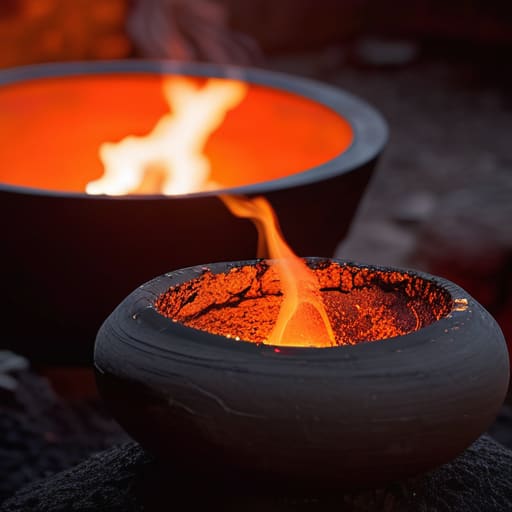
As we look back on the intricate journey of Wootz crucible steel, it becomes clear that this wasn’t merely a feat of engineering, but a profound alchemy of elements. We have explored how the delicate dance between fire and earth, guided by ancient metallurgical whispers, allowed for the precise calibration of high carbon content. From the intense heat of the crucible to the careful regulation required to birth such a resilient material, every step reflects a deep, intuitive understanding of the natural world. Just as I might arrange a cluster of smoky quartz to ground a space, these ancient smiths understood that mastering the material required a sacred harmony between human intent and the raw, unyielding power of the earth’s minerals.
Ultimately, the legacy of Wootz steel reminds us that true strength is often forged in the most intense of fires. When we study these ancient techniques, we aren’t just looking at history; we are witnessing the enduring spirit of transformation. Whether you are holding a piece of ancient steel or a tiny, shimmering amethyst, remember that beauty and resilience are born from patience and a respect for the elemental forces around us. May you carry this lesson into your own life, finding the courage to embrace your own transformative fires and emerge with a spirit as luminous and unbreakable as the treasures of the earth.
Frequently Asked Questions
How can we bridge the gap between the ancient, intuitive alchemy of crucible smelting and the precision of modern metallurgical science?
To bridge this gap, we must view modern science not as a replacement for intuition, but as a way to honor the ancient rhythm. While we now use precise thermal sensors and chemical analysis, we can still approach metallurgy with a sense of reverence. Think of it as translating the soulful whispers of the crucible into the elegant language of atoms—using precision to safeguard the very magic that the ancient alchemists felt in their hearts.
Are there specific minerals or earth elements that act as the "soul" of the steel, much like how certain stones anchor our energy?
Oh, what a beautiful way to frame it! Just as I rely on my Smoky Quartz to ground my spirit, the “soul” of Wootz steel resides in the specific impurities—like trace amounts of vanadium or molybdenum—found within the iron ore. These elements act like tiny, energetic anchors, dancing within the carbon to give the steel its legendary strength and celestial patterns. It’s truly a marriage of earth’s raw essence and human intention.
Can the rhythmic, elemental dance of fire and iron in a crucible teach us something about finding balance in our own high-pressure lives?
Oh, what a beautiful, soulful question. My Amethyst just pulsed with a soft violet light as I read it! Just as the crucible requires intense heat to fuse iron and carbon into something resilient, our own “high-pressure” moments are often sacred crucibles for growth. The secret lies in the balance: too much heat and we burn; too little, and we never transform. We must learn to hold our center, finding that steady, rhythmic grace amidst the fire.