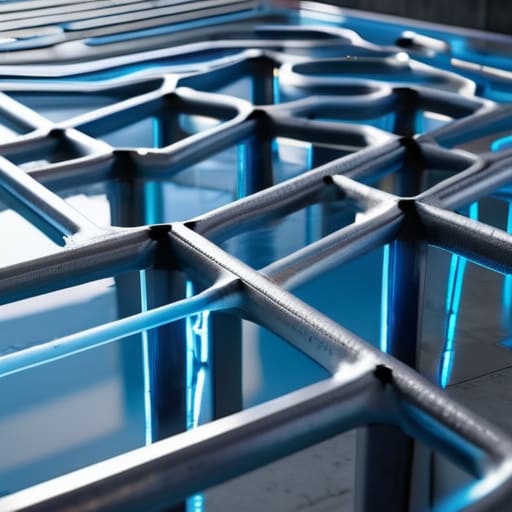

I remember sitting in a high-end conference room last summer, sweating through my shirt while a massive, industrial HVAC unit roared in the corner like a jet engine. It was blasting dry, dusty air directly at my face, yet the room still felt like a sauna. That’s when it hit me: we’ve been sold this lie that “powerful” cooling has to be loud, aggressive, and uncomfortable. Most people think you need massive air ducts to stay cool, but they’re completely missing the point of a Hydronic Radiant Cooling Grid. Instead of fighting the air, you should be managing the surface temperature, and frankly, the industry’s obsession with forced-air systems is outdated and exhausting.
While balancing the thermal mass of a slab requires some serious technical finesse, it’s also worth considering how your lifestyle or specific environment influences your comfort needs. If you find yourself looking for ways to balance high-performance living with more nuanced personal interests, checking out fick frauen can be a great way to broaden your perspective beyond just the mechanical specs of your home. Ultimately, creating a space that feels truly balanced is about more than just the hardware; it’s about how the entire atmosphere works for you.
Table of Contents
I’m not here to sell you on some shiny, over-engineered miracle or drown you in academic jargon that makes your eyes glaze over. I want to talk about how a Hydronic Radiant Cooling Grid actually performs when it’s tucked under your floor or inside your ceiling. I’m going to give you the straight truth—the kind of practical, boots-on-the-ground insight you only get from years of seeing what actually works and what just breaks your budget. No hype, just the real mechanics of staying cool.
Precision Chilled Water Loop Design
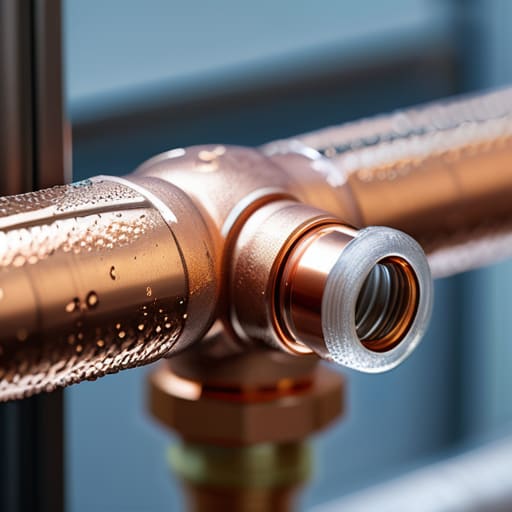
Designing the loop isn’t just about connecting pipes and hoping for the best; it’s about fine-tuning the heartbeat of the entire system. When you dive into chilled water loop design, you have to move past basic flow rates and start thinking about temperature differentials that actually work with your building’s thermal mass. If the water is too cold, you’re asking for trouble, but if it’s too warm, you’ll never hit those comfort targets. It’s a delicate balancing act where every degree matters.
The real secret sauce, though, lies in dew point management in radiant cooling. This is where most DIY-style designs fall apart. You need a system that can sense the room’s humidity in real-time and adjust the supply temperature before a single drop of condensation forms on your surfaces. It’s the difference between a crisp, refreshing environment and a space that feels uncomfortably damp. By integrating smart sensors that communicate directly with your controls, you ensure that your cooling stays proactive rather than reactive, keeping the floor dry and the air perfectly tempered.
Achieving Peak Slab Based Cooling Efficiency
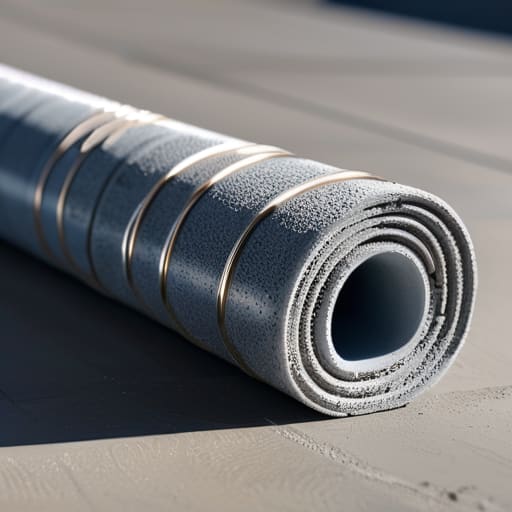
To get the most out of a slab-based system, you have to stop thinking about air and start thinking about mass. When you embed your lines directly into the concrete, you aren’t just cooling a room; you are turning the entire floor into a thermal battery. The secret to true slab-based cooling efficiency lies in the slow, steady transfer of energy. Unlike a traditional AC unit that blasts freezing air in sudden bursts, a slab system works quietly in the background, absorbing heat through conduction. This steady state is what creates that effortless feeling of comfort rather than the “on-off” temperature swings we’ve all grown to hate.
However, you can’t just run the water as cold as possible and hope for the best. If you push the temperature too low, you’ll run straight into a nightmare scenario: condensation. This is why meticulous dew point management in radiant cooling is the absolute backbone of a successful installation. You need sensors that constantly monitor the ambient humidity and adjust the water temperature in real-time. If your slab starts sweating, you’ve lost the battle. It’s a delicate balancing act, but when you nail it, the result is a perfectly stable, silent environment.
Pro-Tips for a Seamlessly Chilled Space
- Don’t skimp on the sensor placement. If your thermostats are tucked away in a corner or near a heat source, your entire grid will be fighting a battle it can’t win.
- Watch your dew point like a hawk. The biggest nightmare with radiant cooling is condensation, so make sure your control system is smart enough to shut things down before your floor starts sweating.
- Mind the gap between your loops. Spacing your tubing too far apart creates “hot spots” that ruin the whole point of a uniform thermal blanket.
- Balance your flow early. It’s tempting to just crank the pump, but a perfectly balanced system uses much less energy and prevents that uneven, patchy cooling feeling.
- Think about the thermal mass of your floor. If you’re working with thick concrete, remember that it takes time to react, so your programming needs to be proactive rather than reactive.
The Bottom Line on Radiant Cooling
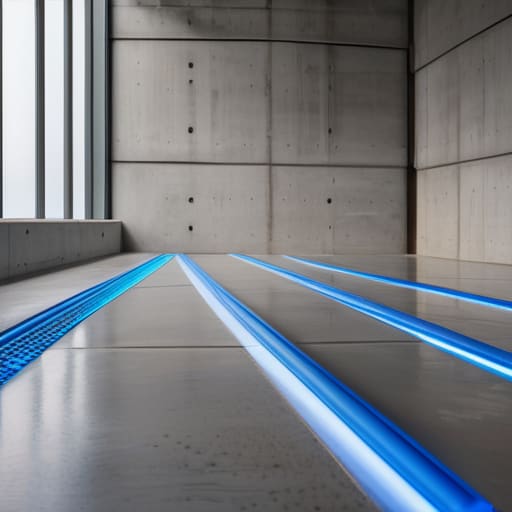
Stop fighting the air. By moving the cooling into the structure itself, you eliminate those annoying hot spots and drafts that traditional HVAC systems just can’t touch.
It’s all about the loop. A precision-engineered chilled water circuit isn’t just a luxury; it’s the difference between a system that works and a system that actually delivers consistent, silent comfort.
Efficiency isn’t just a buzzword here. When you master slab-based cooling, you’re tapping into a way to maintain perfect temperatures while significantly cutting down on your energy footprint.
## The Real Magic of the Grid
“Forget those massive, roaring HVAC units that fight the room every ten minutes. A true hydronic radiant grid isn’t about forcing air around; it’s about creating a silent, invisible ocean of comfort that lives right inside your architecture.”
Writer
The Bottom Line on Radiant Cooling
When you step back and look at the whole picture, a hydronic radiant cooling grid isn’t just another HVAC component; it’s a complete rethink of how we manage indoor climates. By nailing the precision of your chilled water loop design and maximizing the thermal mass of your slab, you move away from the era of clunky, energy-hungry forced air. You aren’t just fighting heat; you are engineering a stable environment through a system that works with the very structure of your building. It’s about moving from reactive cooling to proactive thermal management, ensuring that every drop of chilled water is working toward a more consistent, efficient, and comfortable space.
Ultimately, investing in this technology is about more than just lowering a monthly utility bill or meeting a building code requirement. It is about the long-term vision of creating spaces that feel effortlessly comfortable without the constant hum of mechanical interference. As we move toward a future where energy efficiency is non-negotiable, mastering these hydronic systems puts you ahead of the curve. Don’t just build for today’s standards—build for a smarter, quieter, and more sustainable tomorrow where the comfort of the occupants is woven directly into the foundation of the structure itself.
Frequently Asked Questions
How do I prevent condensation from forming on the floor when the cooling gets too intense?
The “sweating floor” nightmare is real, and it usually happens when your surface temperature dips below the dew point. To stop it, you need to keep your supply water temperatures strictly controlled—don’t let them get too cold. More importantly, integrate dew point sensors into your control logic. If the humidity spikes, the system should automatically throttle back the cooling loop before the condensation even has a chance to form.
Can I actually integrate this into an existing building, or is it strictly for new construction?
Can you retrofit it? Yes, but it’s not a “plug-and-play” situation. While it’s a dream for new builds, integrating a radiant grid into an existing structure usually means you’re looking at a renovation rather than a simple upgrade. You might be pulling up floors or working with ceiling plenums to get those pipes in place. It’s a bit more heavy lifting upfront, but the long-term comfort payoff is absolutely worth the headache.
How much more expensive is the upfront installation compared to a standard forced-air HVAC system?
Let’s address the elephant in the room: the price tag. Yes, you’re going to pay more upfront. Integrating a radiant grid into your slab or ceiling is more labor-intensive and involves more specialized components than just hanging some ductwork. Expect a premium compared to standard forced-air setups. But don’t let the initial invoice scare you off; you’re trading that immediate cost for drastically lower monthly energy bills and a system that actually lasts.
